Team
Ghana: Prof Gordon Awandare
Mali: Dr Guida Landoure
Cameroon: Prof Séraphin Nguefack
Rwanda: Prof Leon Mutesa
Sudan: Prof Muntaser Ibrahim
Senegal:
*Prof Emile Chimusa
South Africa:
Project manager: Dr Carmen de Kock
Administrator: Mrs Rhiyana Bassier
Research coordinator/Genetic counselor: Ms Kalinka Tavares
Laboratory technician: Ms Lettilia Xhakaza
Research assistants: *Mr Rudolph Priestley, *Ms Thumeka Manyashe
Researchers: *Dr Cedrik Ngongang , *Dr Jean Jacques Noubiap
Rwanda:
Researcher: Dr Esther Uwibambe
Sudan:
Researchers: Dr Ayman Hussein, Dr Reem Salah
Dr Elvis Aboagye
*Dr Oluwafemi Oluwole (completed)
South Africa: Ms Noluthando Manyisa
Ghana: *Dr Samuel Adadey (completed)
Ghana: *Dr Elvis Aboagye (completed)
Cameroon: *Dr Edmond Wonkam (completed)
Mali: *Dr Abdoulaye Yalcouye (completed)
Senegal: Mr Yacouba Dia
*previous member
Prof Stylianos Antonarakis
Prof Sonia Abdelhak
Dr Adebowale Adeyemo
Dr Soraya Bardien-Kruger
Prof Graeme Black
HIGeneSAfrica
The research vision of HI-GeneSAfrica is to become a network that facilitate diagnosis, care, and quality of life of people living with hearing loss, aligned with the international and local best standards. HI-Genes Africa aims to provide the most efficient vehicle for capacity building that will fully engage the next generation of African scientists in precision medicine, through rigorous fellowship programs. HI-Genes Africa envisions providing model of genetic research that embeds scientific discoveries and communities’ needs in a symbiotic continuum. The project not only approaches hearing loss from a scientific point of view but also takes into account peoples’ psychosocial perception and culture, while respecting the highest ethical norms.
Project Aim
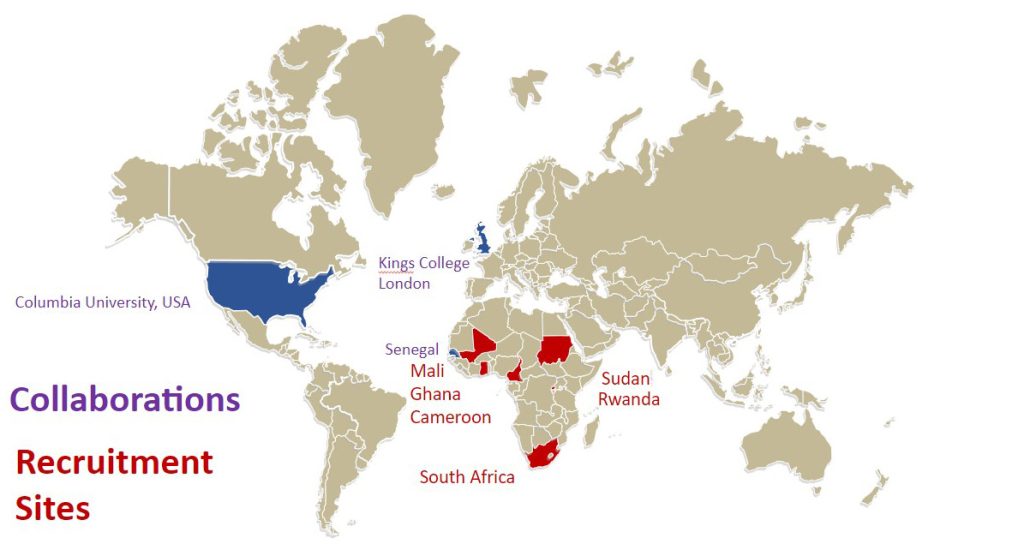
 The Hearing Impairment Genetics Studies in Africa (HI-Genes Africa) is a multi-site (South Africa, Ghana, Cameroon, Mali, Rwanda and Sudan) and multi-funded (NIH, Wellcome Trust/AAS) research project. HI-Genes Africa aims to understand the genetics cause of hearing impairment in African populations by collecting samples from hearing impaired children and families to understand the genetics and heritability of hearing impairment.
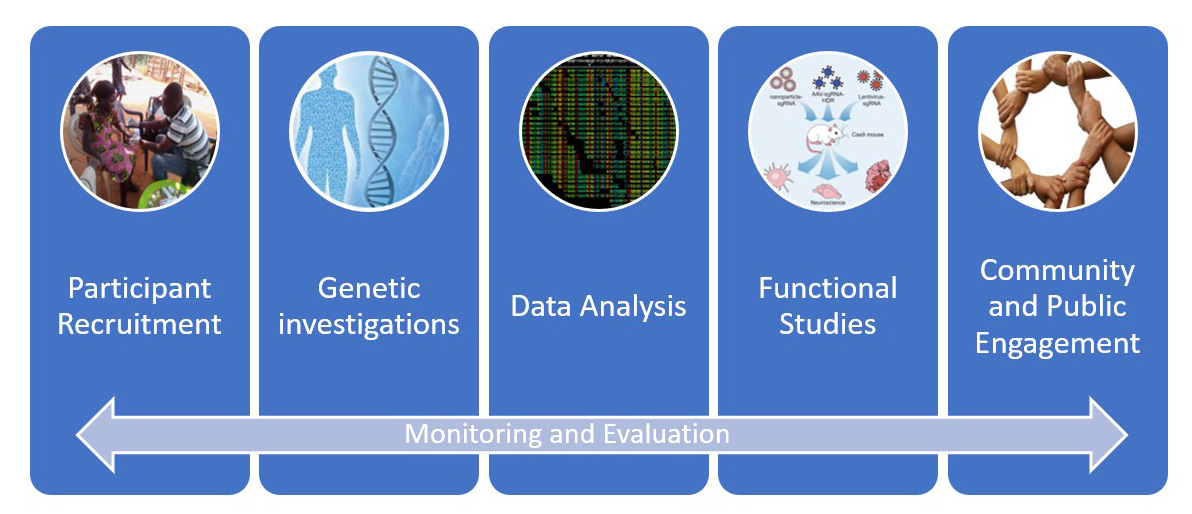
The vision of the HI-Genes will be met in the following ways:
1
Recruit children with early-onset non-syndromic hearing loss along with their affected and/or unaffected family members.
2
Conduct genetic testing and generate genetic data on biological samples received from the families.
3
Analyze the data obtained from aim 2 to identify novel genes that contribute to non-syndromic hearing loss.
4
Do follow up functional studies to better understand the contribution of the genetic mutations within the African population.
5
Create more awareness and understanding about hearing loss through community engagement activities and advocacy.
About Hearing Loss
According to the WHO, around 466 million people worldwide have hearing loss. 1 – 2 out of 1000 babies are born with hearing loss worldwide but up to 6 per 1000 babies are born with hearing loss in Africa. Hearing loss is when your ability to hear is reduced. People can have mild hearing loss, moderate hearing loss, severe hearing loss or profound hearing loss (complete deafness). Most people with disabling hearing loss live in developing countries.
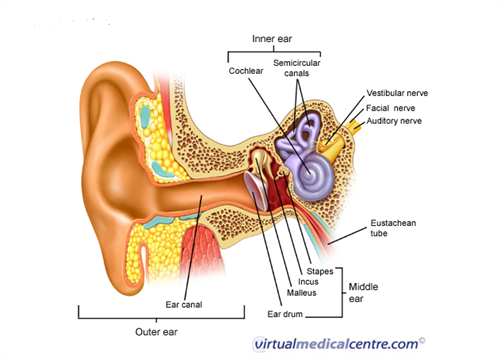
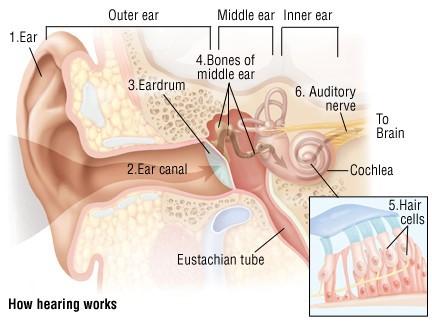
People with hearing loss can benefit from using assistive hearing devices such as hearing aids and cochlear implants along with speech therapy. In many instances deaf individuals use sign language and some lip reading as a means of communication.
For more information about hearing loss download the pamphlet
What causes hearing loss?
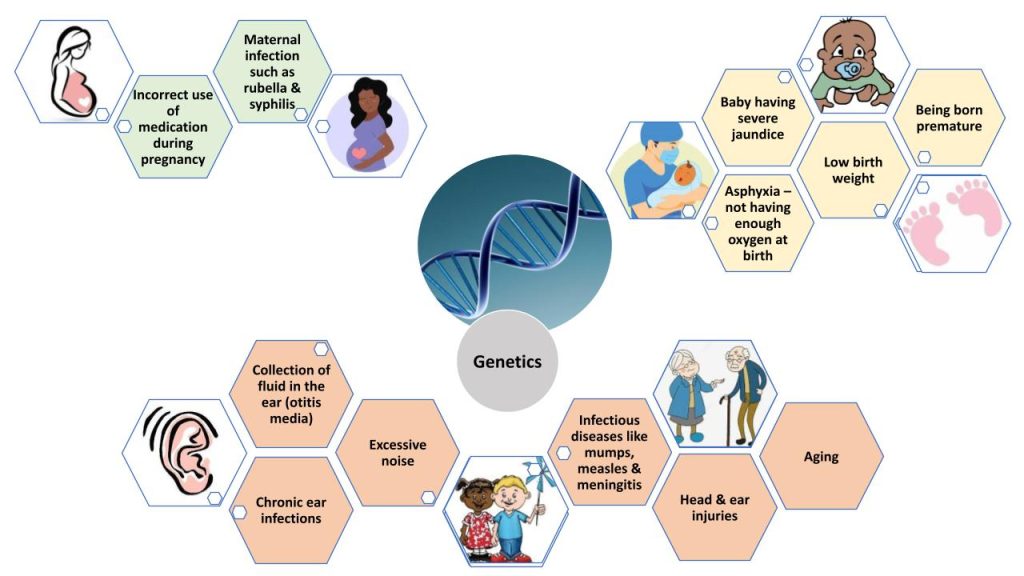
- Maternal infections such as rubella and syphilis
- Prematurely
- Asphyxia – not having enough oxygen at birth
- Low birth weight
- Incorrect use of medication during pregnancy
- Baby having severe jaundice
- Infectious diseases like mumps, measles and meningitis
- Chronic ear infections
- Collection of fluid in the ear (otitis media)
- Head and ear injuries
- Excessive noise
- Aging
- Genetic factors
New-born Screening and Public Health
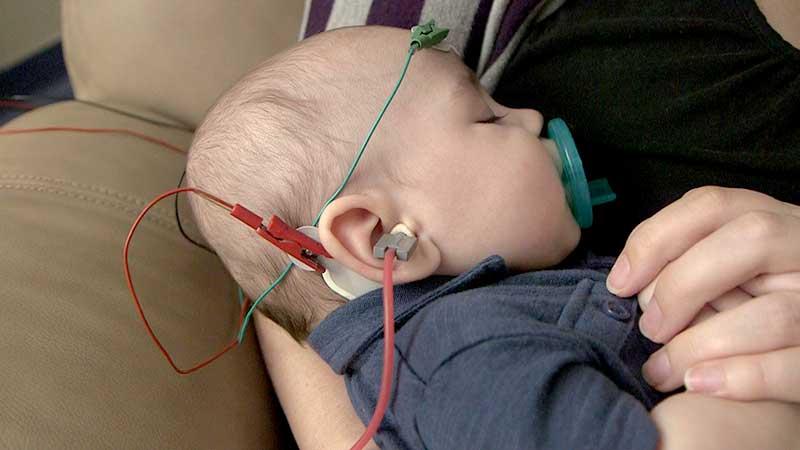
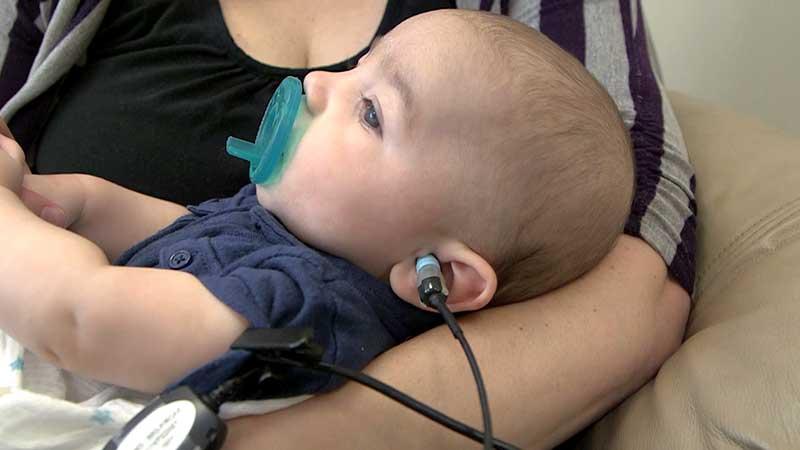
Early diagnosis and intervention for children with hearing loss is recommended to maximize their cognitive, social, emotional, and speech and language development. The new-born hearing screening (NHS) programme was created to ensure the early detection of children with hearing loss. The hearing screening is conducted during the early days after birth using Auditory Brainstem Response (ABR), which is a test where they look at the brain and how it responds to sound, or Otoacoustic Emissions (OAE), which is a test where they send sound into the ear and measures the sound that comes back out, or both. Children who failed the NHS are referred to a specialist for additional tests which may include genetic investigation. Although the NHS is adopted globally, availability of early hearing detection and intervention services are rare in Africa, additionally, there is no genetic testing as part of NHS in Africa. Children born in developing countries receive their first comprehensive hearing test after 4 years of age in many instances in public settings and 2.4 years in private settings. Early detection should be followed by management such as hearing aids, cochlear implants, other assistive devices, educational methods which support their needs, and social support. These interventions are most beneficial at an early age, which confirms the importance of early detection.
Genetics of hearing loss in Africa
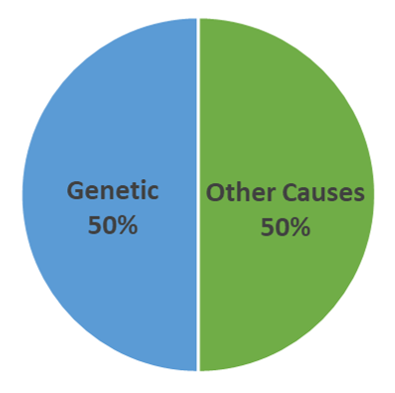
About 50% of hearing loss is due to a genetic cause. A person with hearing impairment might be the first and only person that is affected in their family. In most cases, both parents are hearing, but each of them carries a gene with a change that may be passed onto their children.
Each child who inherits genes with changes from both parents (one from each parent) will have hearing impairment at birth or within their first few years of life. This is known as autosomal recessive inheritance. In some cases, multiple people in the family have hearing loss and only one parent carries the gene which they can pass on to their child.
Syndromic and non-syndromic hearing loss
In some cases, families have genetic syndromes, which means that apart from hearing, other body parts and organs can be affected, such as vision, the heart and skin, amongst others. This is known as syndromic hearing loss. In most cases only hearing is affected, this is known as non-syndromic hearing loss.
Several facts about non-syndromic hearing impairment (NSHI) have been proven over time regardless of population:
- Half of congenital HI cases have a genetic etiology, of which 70% are non-syndromic.
- 2) For NSHI, 77% of the cases are of autosomal recessive (AR) inheritance.
- 3) More than 1,000 NSHI genes may remain to be identified.
- 4)Not all undiscovered genes are rare causes of NSHI, populations that have been understudied such as sub-Saharan Africans (SSA), may yield genes that play a crucial role in NSHI.
Genes associated with hearing loss in Africa
Many genes have been found to cause hearing loss. To date, most NSHI gene identification studies have been performed in families ascertained in Europe and Asia. Two genes called GJB2 and GJB6 accounts for 50 % of NSHI genes among Europeans and Asians have been systematically studied in SSA, however, not many people of African descent with hearing loss have been found to have these genes. however, not many people of African descent with hearing loss have been found to have these genes. HIGENES-Africa will have a huge impact in understanding NSHI genes in Africans, and fine-tuning diagnostic protocols for NSHI, globally.
Hearing loss in families
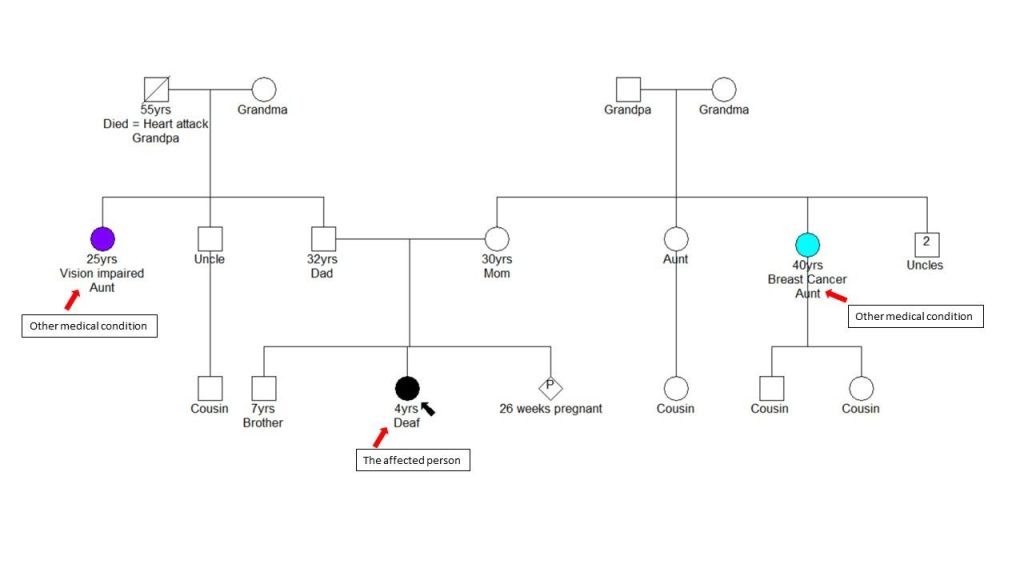
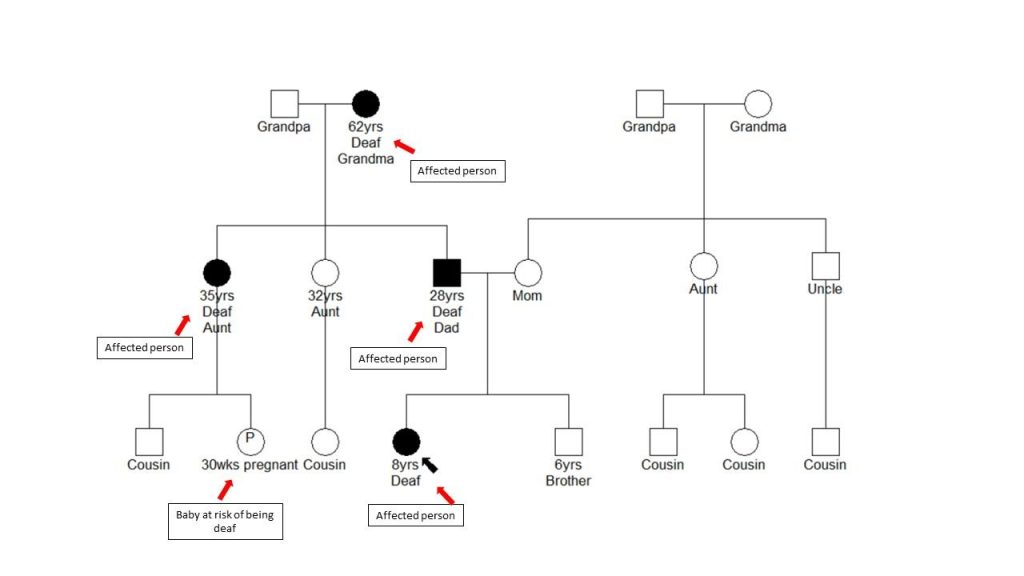
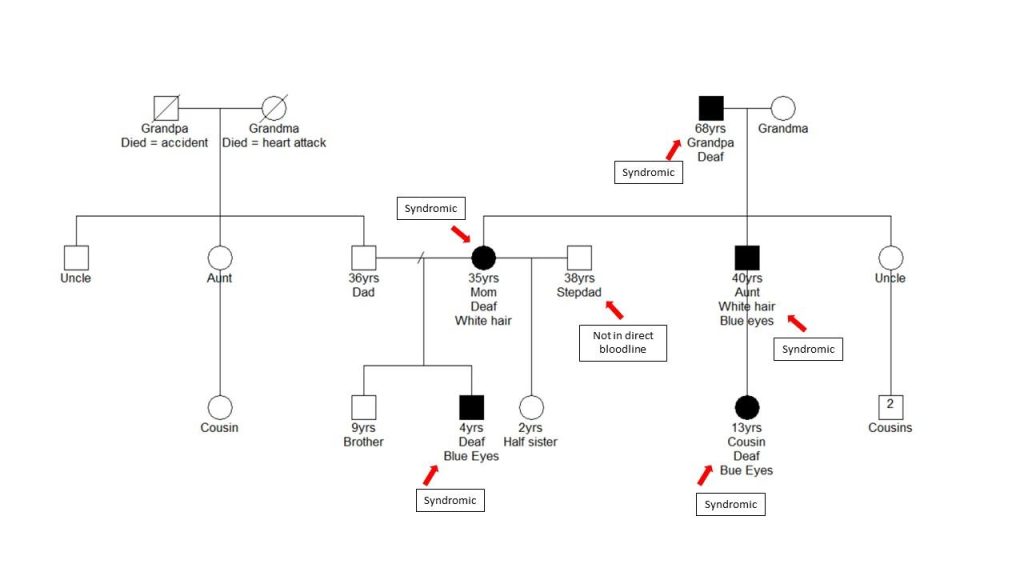
When it comes to genetics, family trees are like treasure maps. They help us to understand more about where a condition comes from and who is at risk. A thorough family history is taken for each family that we recruit into the study. We document this information by drawing a diagram of the family, as seen below.
What we can learn by looking at a family history:
- We can see who all the family members are that have the condition
- We can take note of any other medical conditions that might be relevant
- We can see how the condition is being passed down through the family (see the genetics section to learn more)
- We can determine who is at risk of getting the condition – other family members or future offspring
- We can detect if family members display other signs and symptoms that indicate that it is syndromic hearing loss (see the genetics section to learn more)
- We can see how everyone is connected within the family and who does not have a direct blood link to the affected family members
Participant recruitment
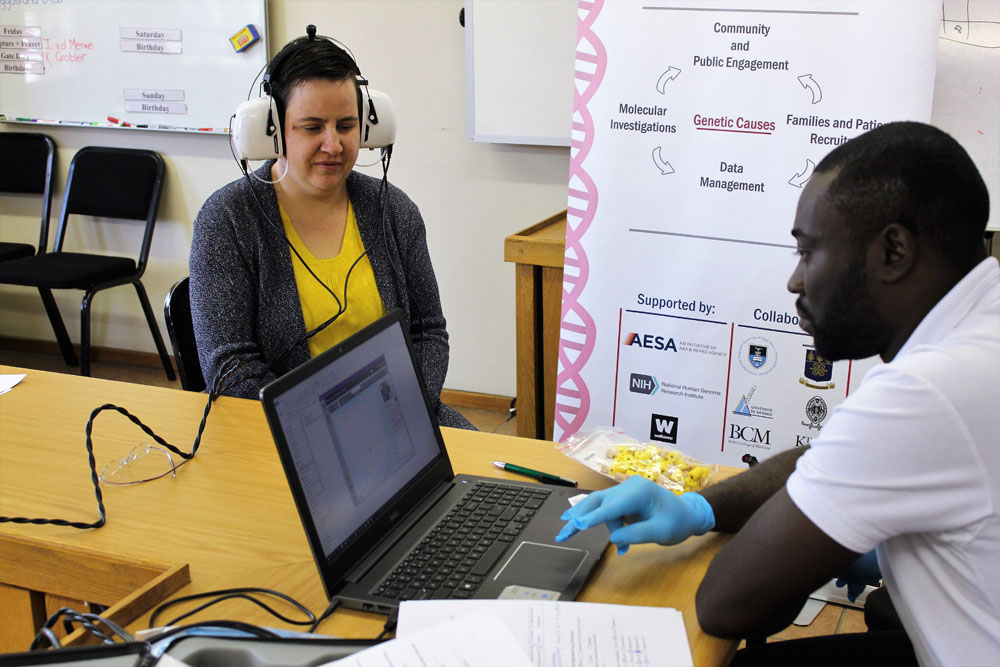
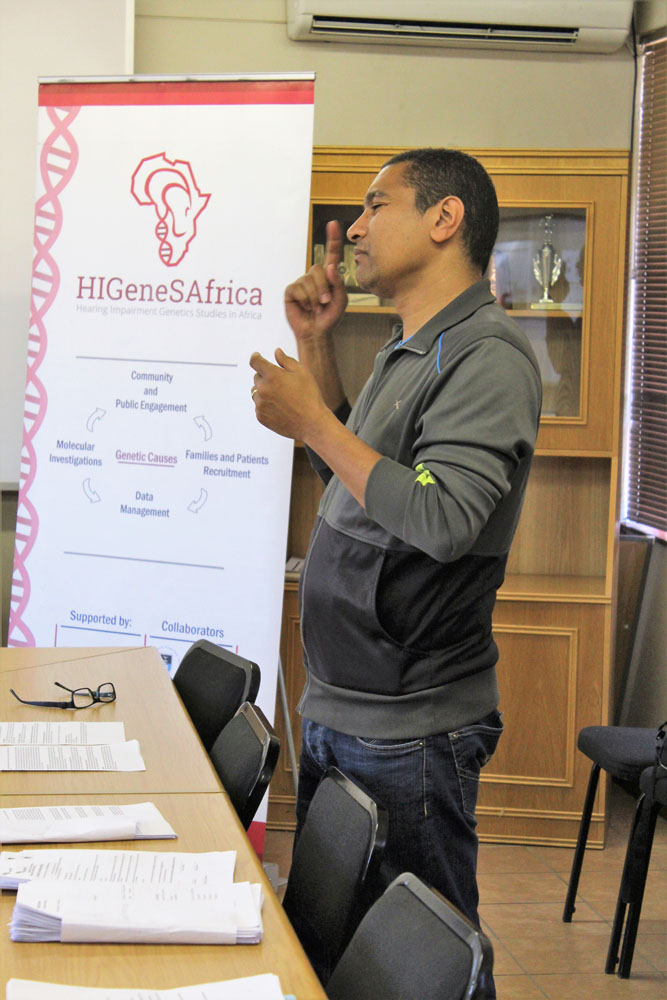
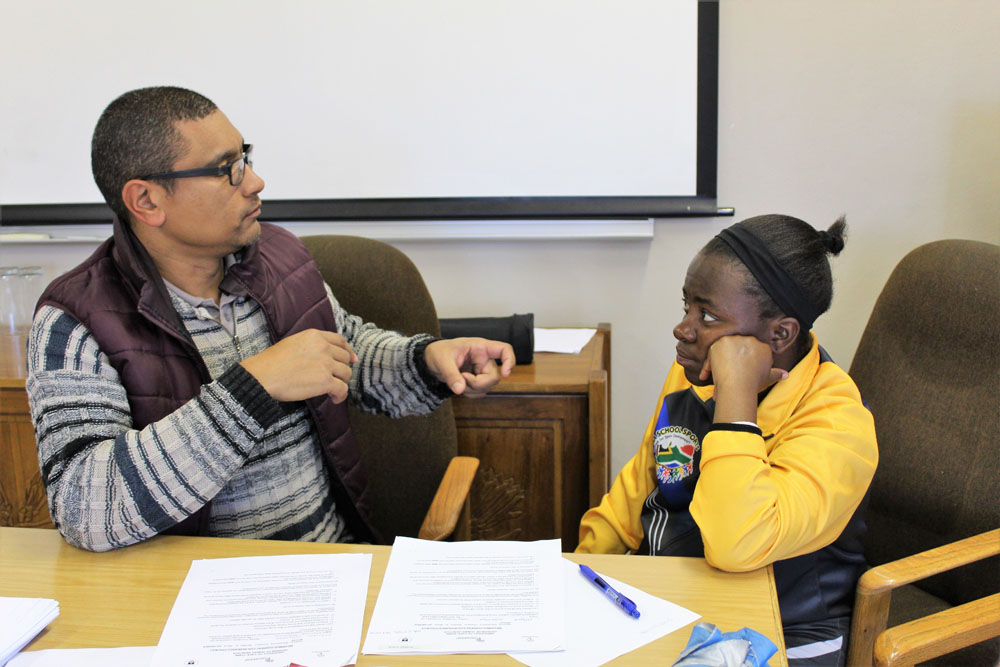
First point of contact with potential participants is an information session to explain the research study and the process of the recruitment in a language best understood by families for full comprehension, followed by a question-and-answer session. Written informed consent is obtained before recruitment commence.
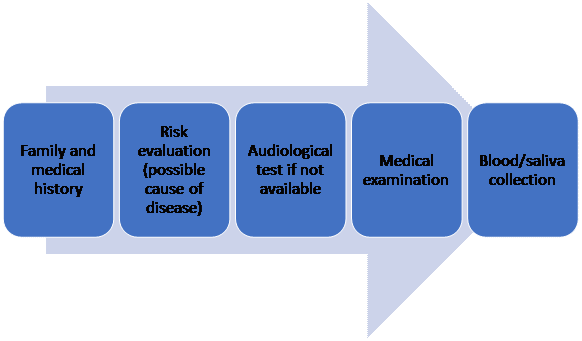
Genetic is provided to families who need counselling at the time of recruitment, particularly those families which have a clear diagnosis such as Waardenburg syndrome. More in-depth genetic counselling is provided at the time of result delivery.
Genetic Investigations
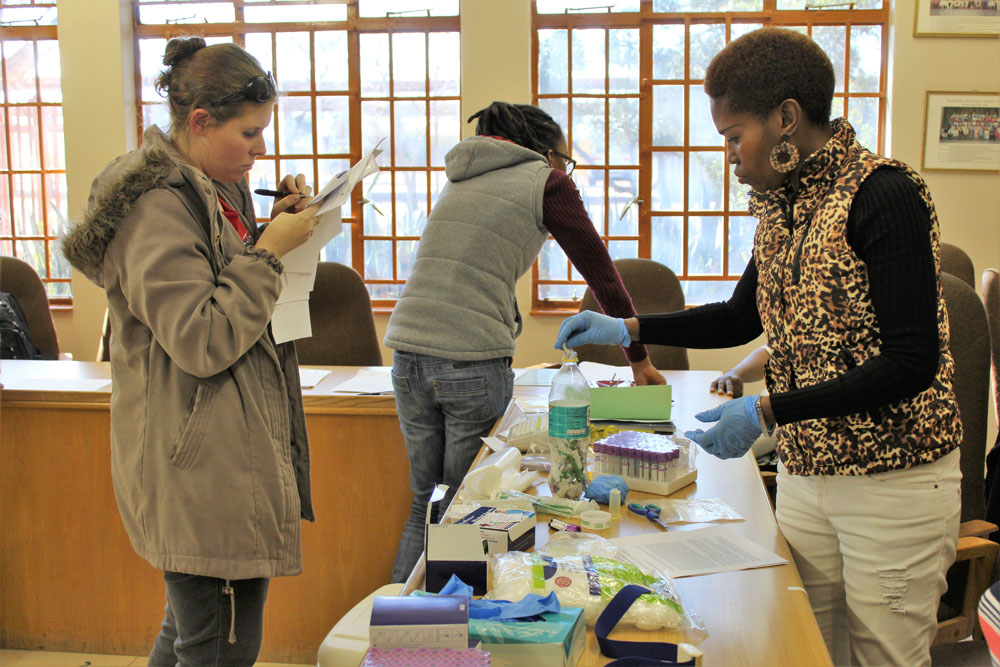
Sample management
Participant information is deidentified and stored in a clinical database Research Electronic Data Capture (REDCap) (https://redcap.uct.ac.za/). Our project implements a Laboratory Information Management System (LIMS) called Baobab (http://www.sanbi.ac.za) to validate sample quality control and build research capacity. The system exerts greater control and supports biorepository approaches, according to the logistics guidelines of the International Society for Biological and Environmental Repositories. We also adhere to the protocols of the Clinical Laboratory Services (CLC) (www.cls.co.za), which is a collaborative arm of H3Africa.
Data generation
Based on literature reports on population-specific predominant genetic cause of congenital hearing impairment, targeted gene variant(s) approach (polymerase chain reaction -restriction fragment length polymorphism (PCR-RFLP)) is employed as the house keeping genotyping method. We screen all samples for the most common causal gene reported globally (gap junction beta 2 gene (GJB2)) using gene coding region-specific Sanger sequencing targeting pathogenic variant(s). Samples that do not contain GJB2 is investigated further using whole exome sequencing (WES) or whole genome sequencing (WGS).
Data Analysis
Samples selected for whole exome sequencing (WES) are analysed to elucidate putative causal genetic variant(s) and subsequently validated by genotype-phenotype segregation family pedigree analysis with Sanger sequencing data. Whole exome sequencing data is analysed by comparing reference sequences and the DNA from the selected samples. Cases that are unresolved after WES are further sequenced by whole genome sequencing (WGS) to elucidate the likely causal variant(s). Data analysis are conducted in collaboration with Prof Suzanne Leal.
Functional studies
Identified and validated novel known, and unknown gene variant(s) are further validated by functional studies (in-vitro/in-vivo), after thorough query on in-silico variant effect prediction tools, and curation, annotation, using available populations databases reported minor allele frequencies (MAFs) as reference. In vitro functional studies are conducted in collaboration with Prof Shaheen Mowla (https://health.uct.ac.za/haematology/staff). In vivo murine functional studies are conducted in collaboration with Prof Karen Steel.
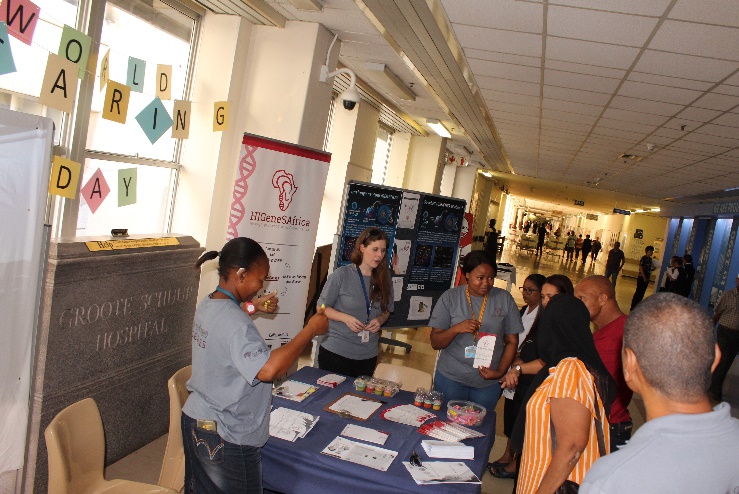
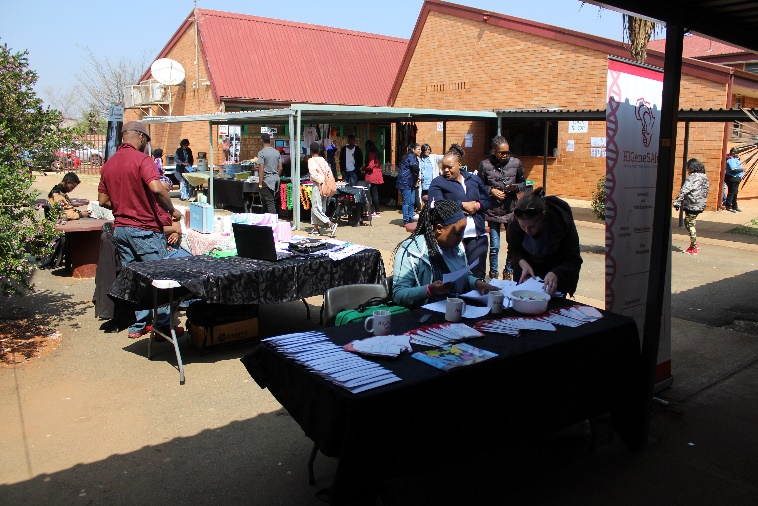
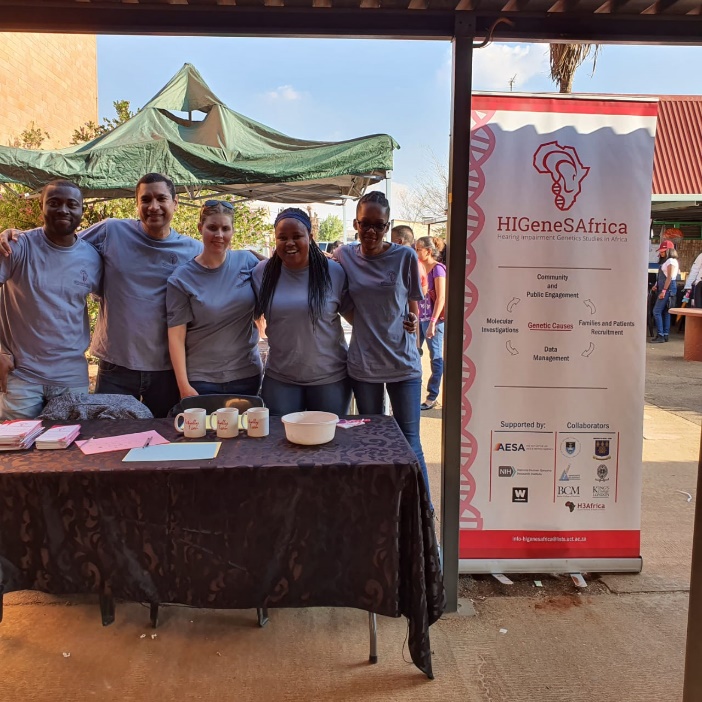
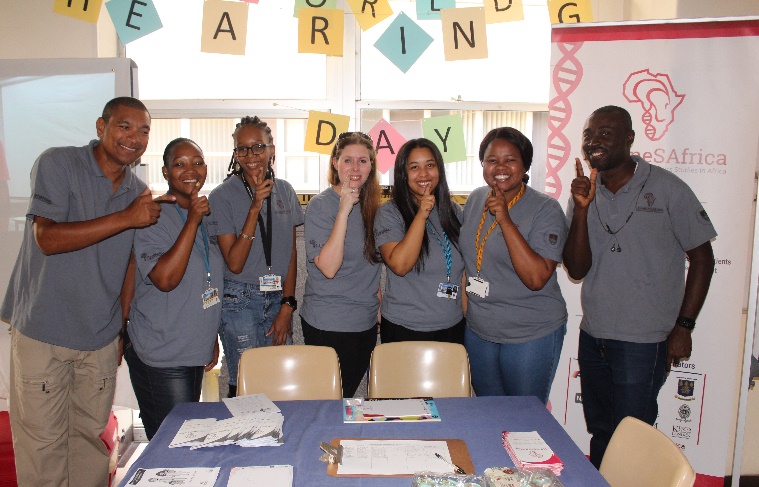
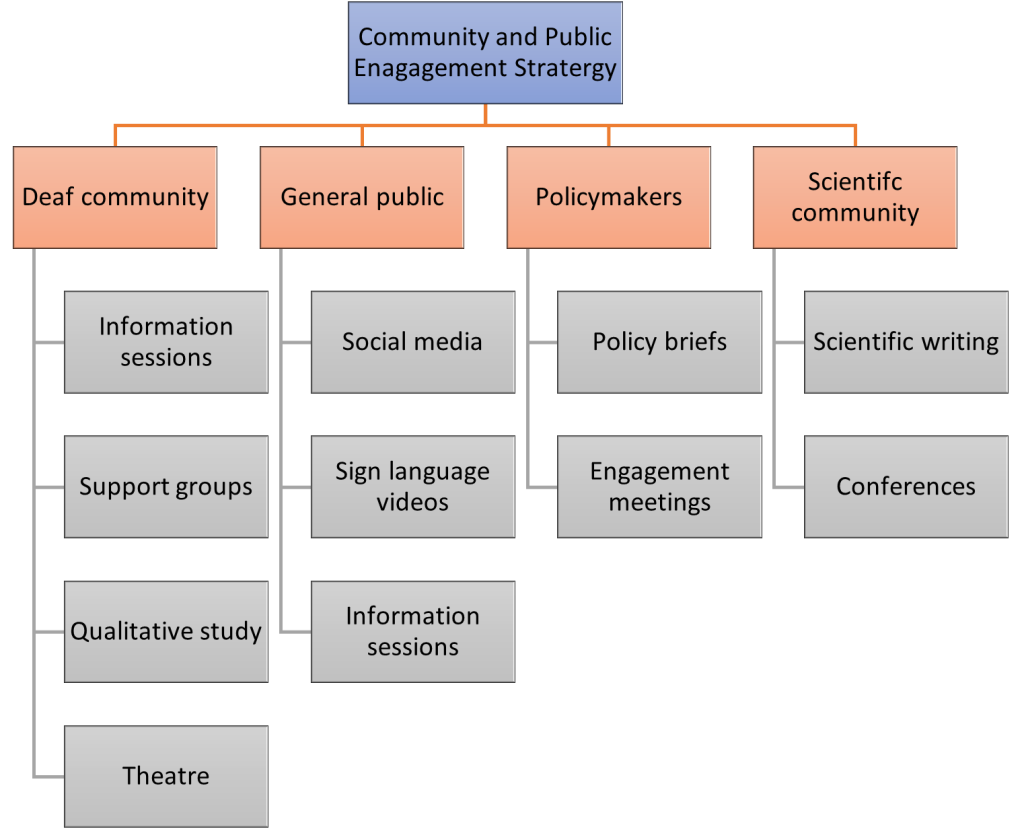
The outcomes of this social responsiveness are listed below for stakeholders who include participants, communities, the public, and the schools we recruit from.
- Increase awareness about the causes of hearing loss
- Expand knowledge of genetic research of hearing loss
- Contribute towards improved quality of life
- Better understand lived experiences and perceptions, identify challenges and needs due to hearing loss.
Qualitative research
In addition to finding the genetic causes of hearing loss we wanted to learn more about the knowledge, lived experiences and challenges of individuals with hearing loss, their caretakers and staff working at schools for the deaf. To do this we conducted two studies.
In our first study we asked staff members at various schools for the deaf, in different Provinces in South Africa, about:
- Their knowledge and understanding of hearing loss (causes, management, genetics, education)
- The challenges they faced working with deaf learners
- The challenges experienced by learners and their families, as perceived by the staff
In our second study took place in Cameroon, where we interviewed people with hearing loss or their caretakers to learn more about:
- The challenges faced by people living with hearing loss
- Their understanding of the causes of their hearing loss
- How they feel these challenges could be remedied to improve their quality of life
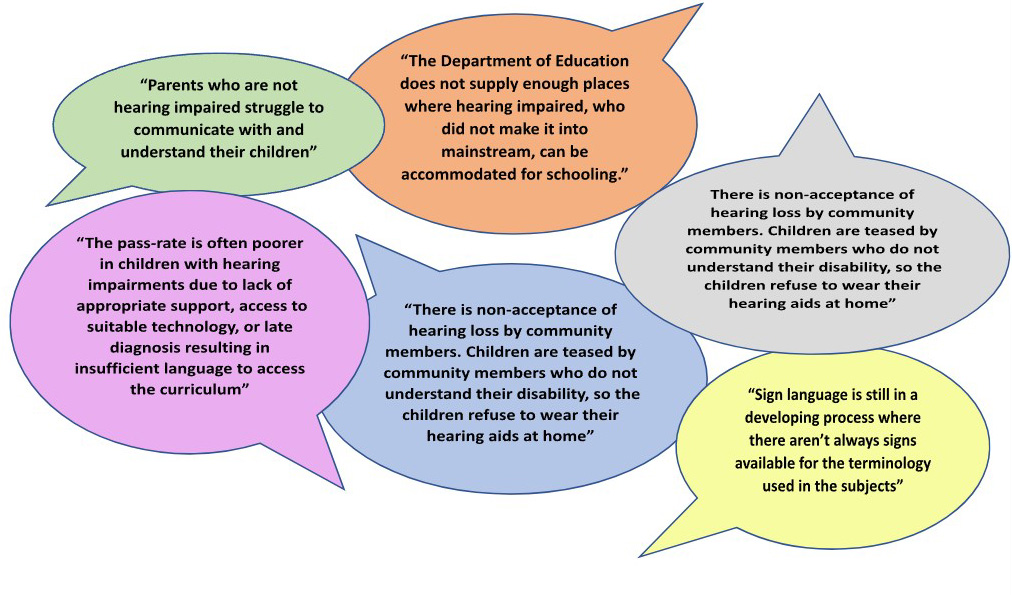
Here are some of the things they had to say:
Public Health Impact
Early detection of hearing loss through new-born screening should be a basic public health activity to ensure that the appropriate protocols, treatments, and prevention efforts are being provided. HI-Genes Africa aims to network with African hearing impairment professional networks, patient support groups, schools for the deaf and other advocacy groups to engage with respective Ministries of Health and related government health agencies to improve the detection, treatment, research, legislation, and quality of care for people with hearing loss.
Policy initiatives: HI-Genes Africa is in an excellent position to lobby with African governments for greater commitment to biomedical research, by demonstrating successful research and impact on patients. Considering the complexity of most African families and society, HI-Genes Africa is also interested in assisting African countries to formulate policies on reporting genetic finding especially incidental finding to affected persons and their families. Eventually, we hope the research-informed policies will help to provide the necessary legislature which will support the inclusion of hearing impairment genetic screening into the newborn hearing screening (NHS) programme in Africa. This will favour early detection of familial genetic causes of hearing impairment towards the administration of appropriate interventions to improve the quality of life of affected children.
Policy Initiatives
HI-Genes Africa aims to network with African hearing impairment professional networks, patients support group and schools for the deaf and other advocacy groups to engage with respective Ministries of Health and related government health agencies to improve the detection, treatment, research, legislation, and quality of care for people with hearing loss.
We are conducting a survey with the students and staff of the schools for the deaf as well as parent and guardians to investigate the most appropriate way of formulating the policy to address the needs of the affected individuals. Eventually, we hope the research-informed policies will help to provide the necessary legislature which will support the inclusion of hearing impairment genetic screening into the newborn hearing screening (NHS) programme in Africa. This will favour early detection of familial genetic causes of hearing impairment towards the administration of appropriate interventions to improve the quality of life of affected children. Considering the complexity of most African families and society, HI-Genes Africa is also interested in assisting African countries to formulate policies on reporting genetic finding especially incidental finding to affected persons and their families.
Genetic Counselling
Genetic counseling is a healthcare service that helps people to understand and adapt to the medical, psychological and familial implications of their or their family member’s genetic disorders. Genetic counsellors are not psychologists, although they do care about your emotional and mental wellbeing, they are trained to assist patients and families with the following:
- To understand the disorder better.
- To understand the cause of the disorder.
- To understand the risks to other family members and offspring.
- To be able to identify at risk family members.
- To have information about any genetic testing options.
- To undergo genetic testing for the family if available and requested by the patient/family.
- To understand the management and prevention options of the disorder.
- To adapt to the disorder and the implications thereof.
- To access other sources of support to cope with the disorder.
Genetic counsellors work alongside various healthcare providers to provide patients with the best possible care. Any patient or family member that suspects hearing loss in the family to be due to a genetic factor, should inform a doctor and request to be referred to a genetic counsellor, who will help to address these concerns.
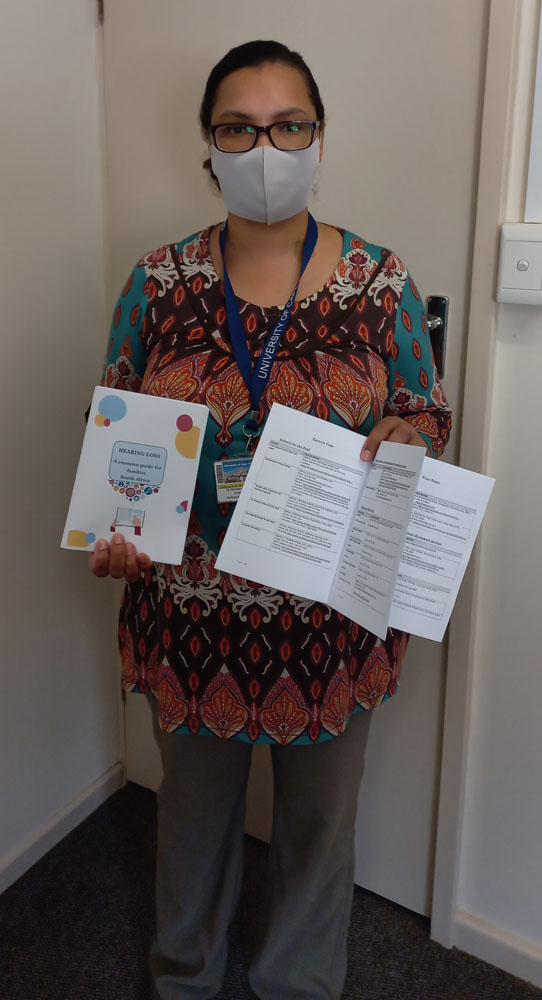
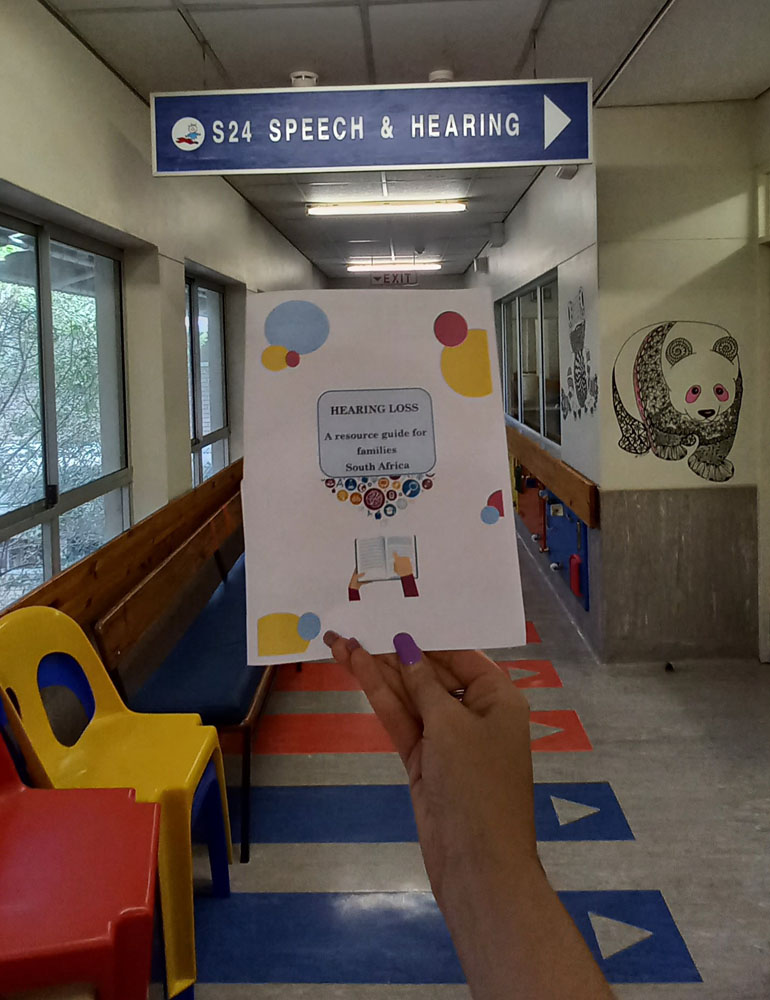
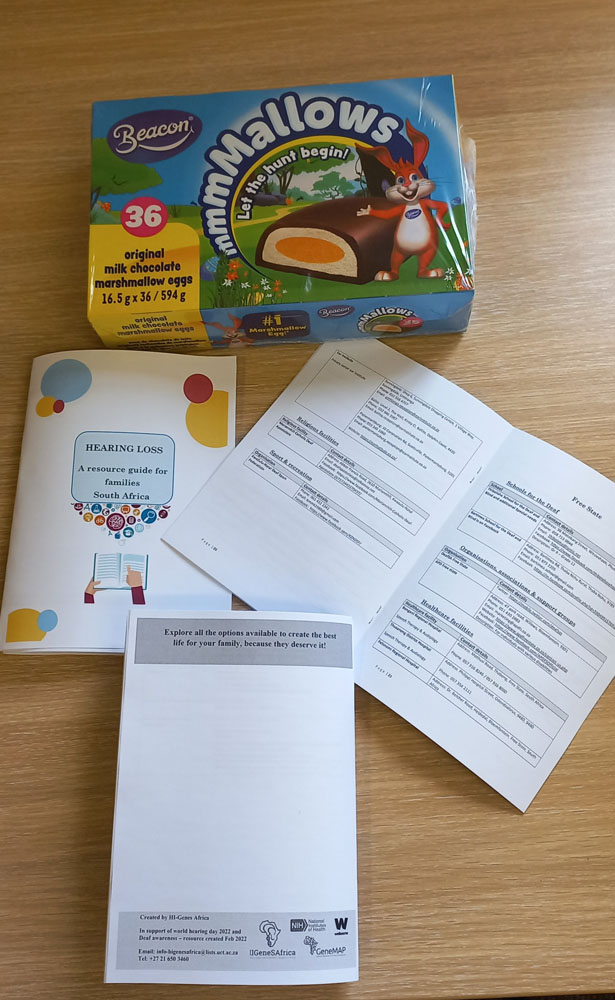
This resource guide has been created to provide families, who have members that are hard of hearing or Deaf, with information and contact details for various organisations, schools and other facilities that are aimed at serving the Deaf community.

This resource guide provides hearing impaired and hard of hearing individual(s), families and the public with basic information and contact details of different organizations, schools, and other facilities that offers supporti11e and assisti11e services to the Deaf community in Ghana.
The reason for doing this study is to find the genes with changes that cause hearing impairment in people from Africa, and to better understand how these genes affect hearing in African populations.

What parents need to know

HI-Genes Africa have created a short video on facts about hearing loss. Did you know these things? Help to spread awarenes. #DeafAwarenessAfrica

by: Karen Kengne Kamga , Pallissa Fonkam Marlyse, Seraphin Nguefack, Ambroise Wonkam

By: Esther Uwibambe, Leon Mutesa, Charles Muhizi , Isaie Ncogoza, Elvis Twumasi Aboagye, Norbert Dukuze, Samuel M. Adadey, Carmen DeKock and Ambroise Wonkam
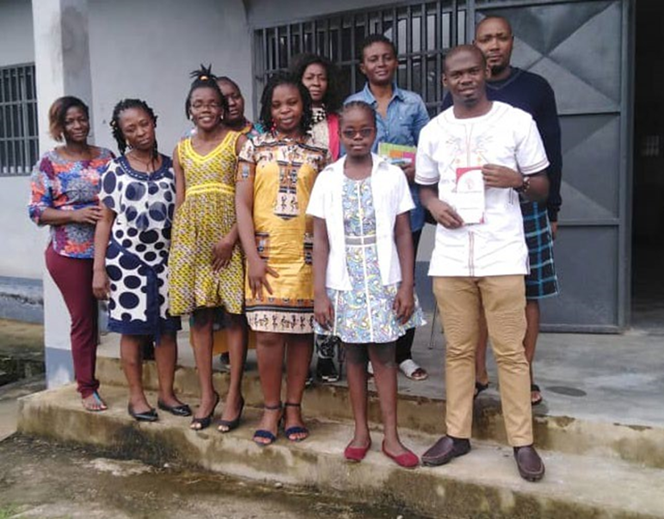
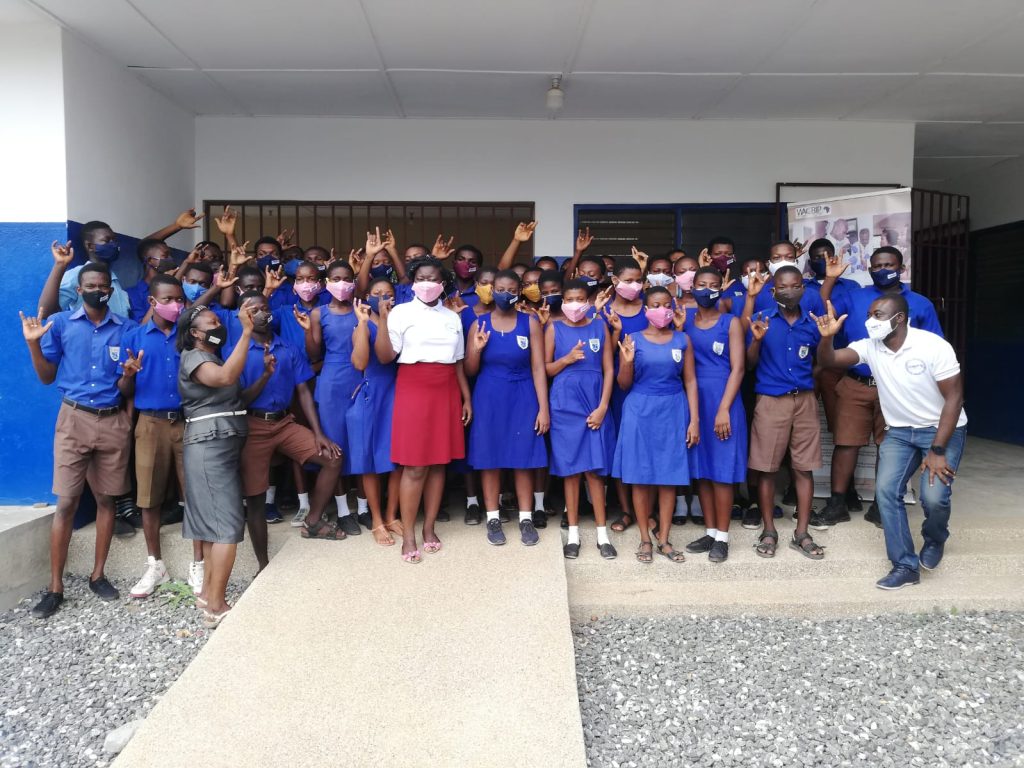
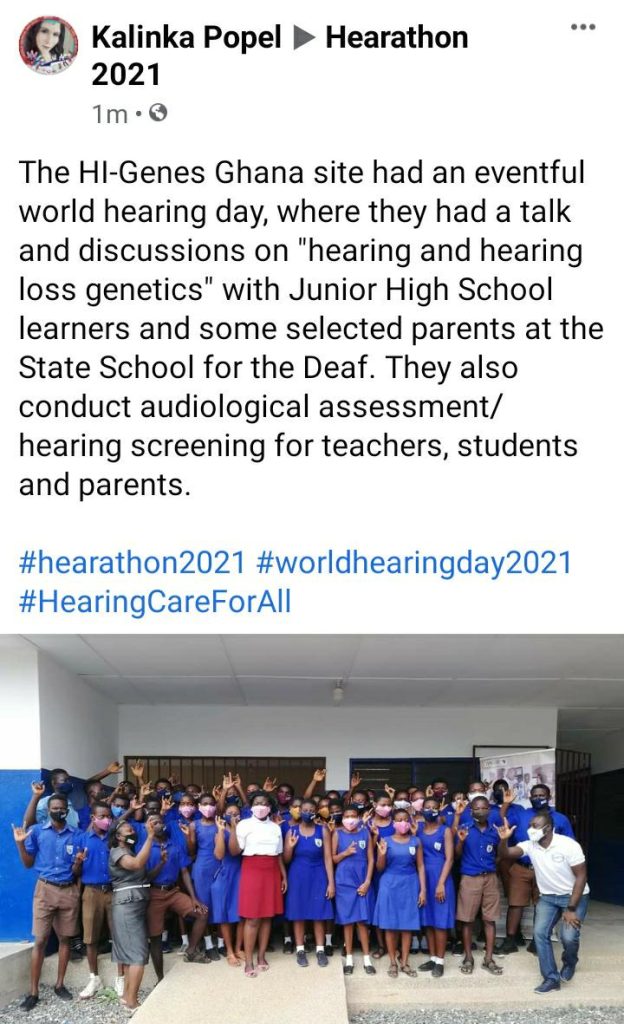
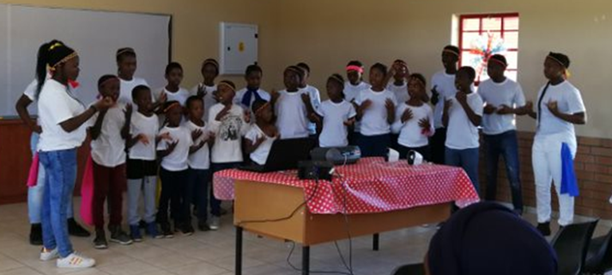
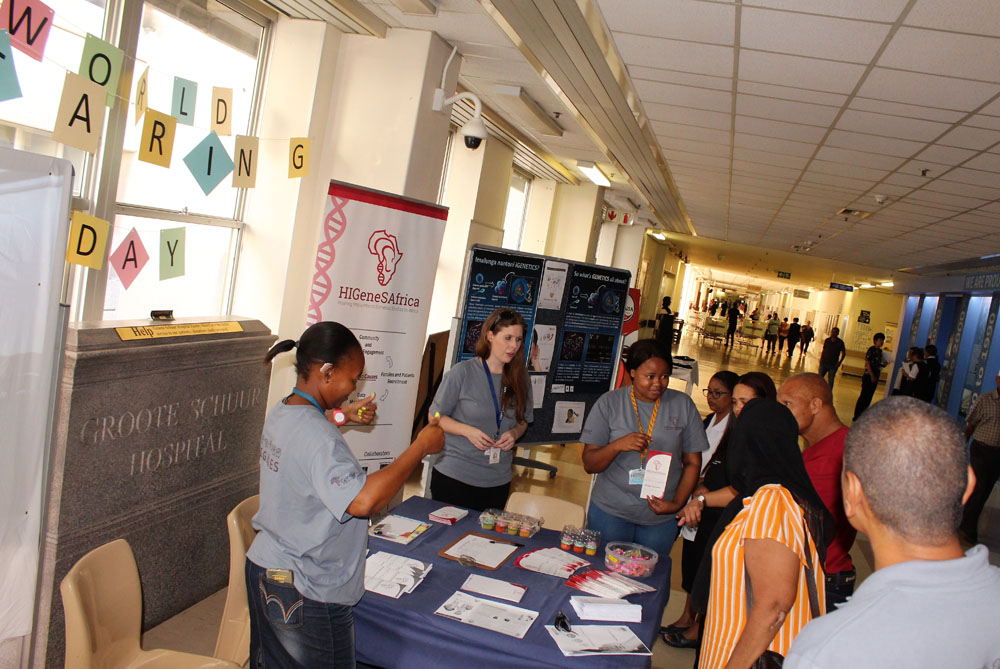
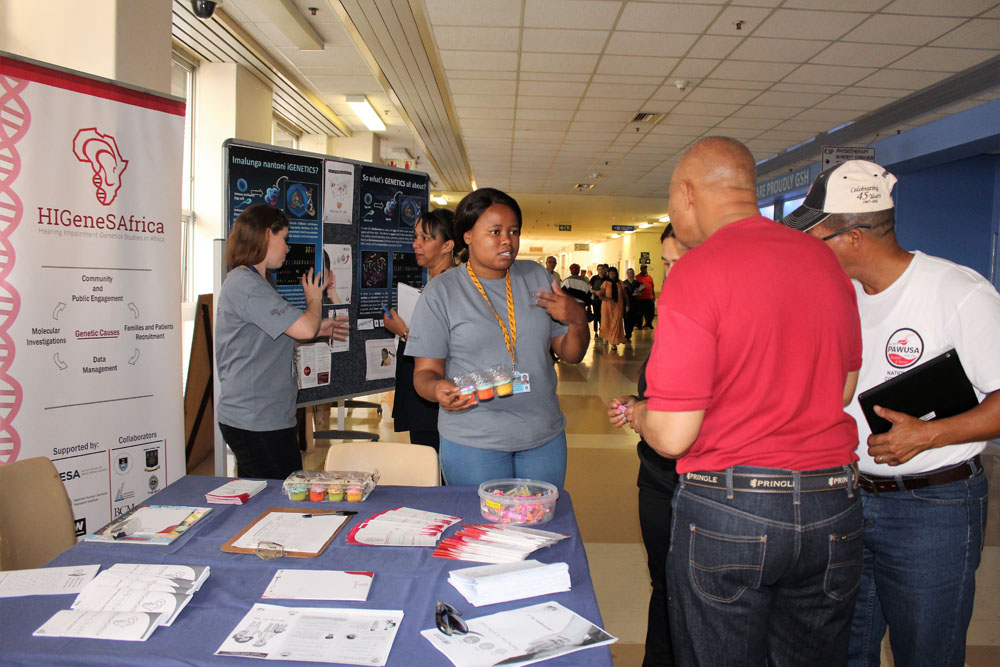
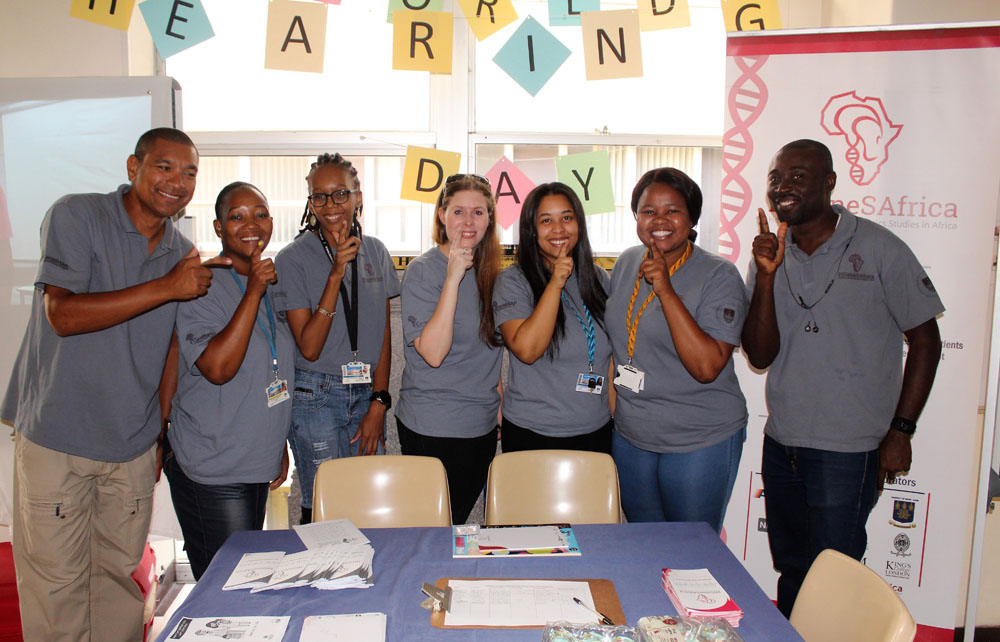
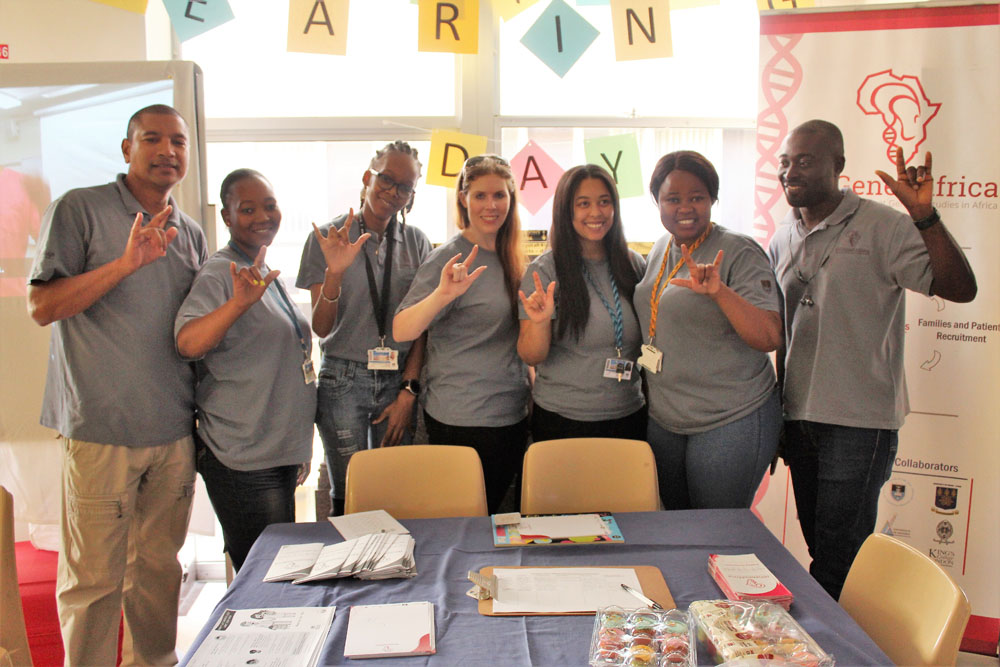
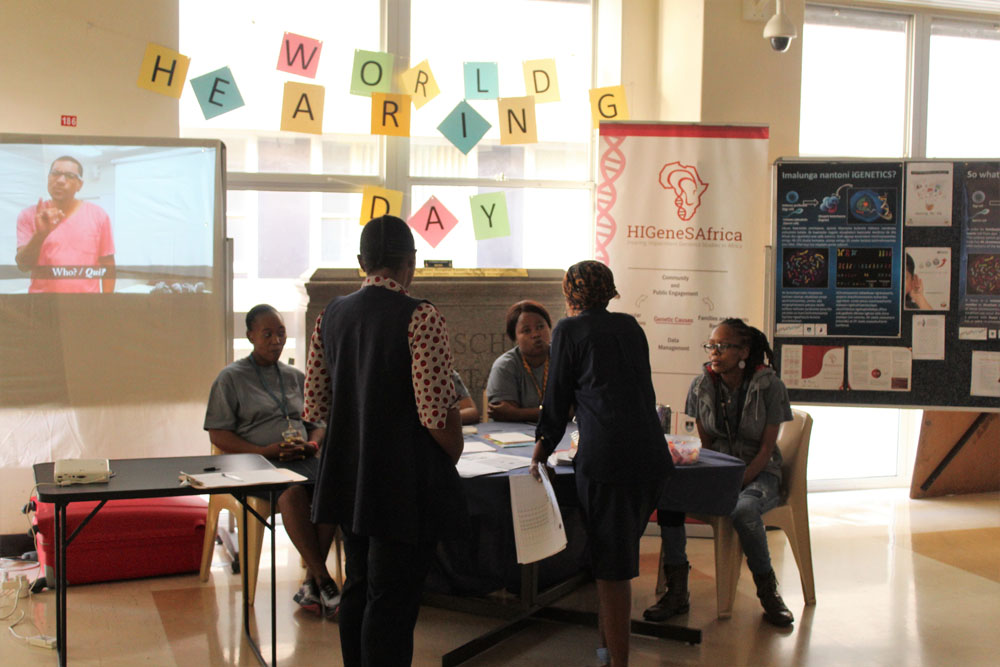
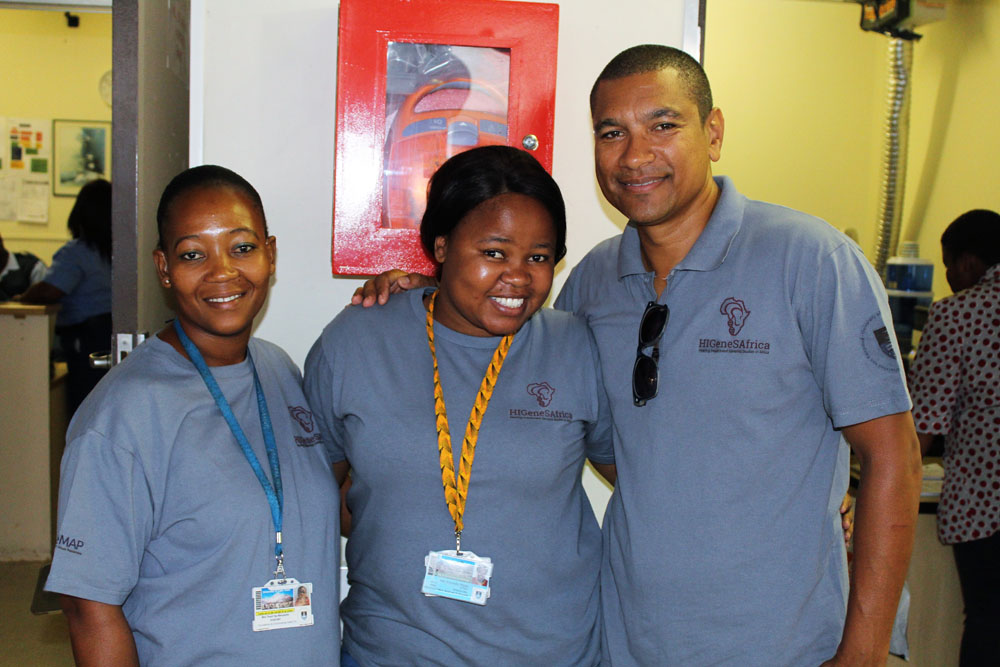
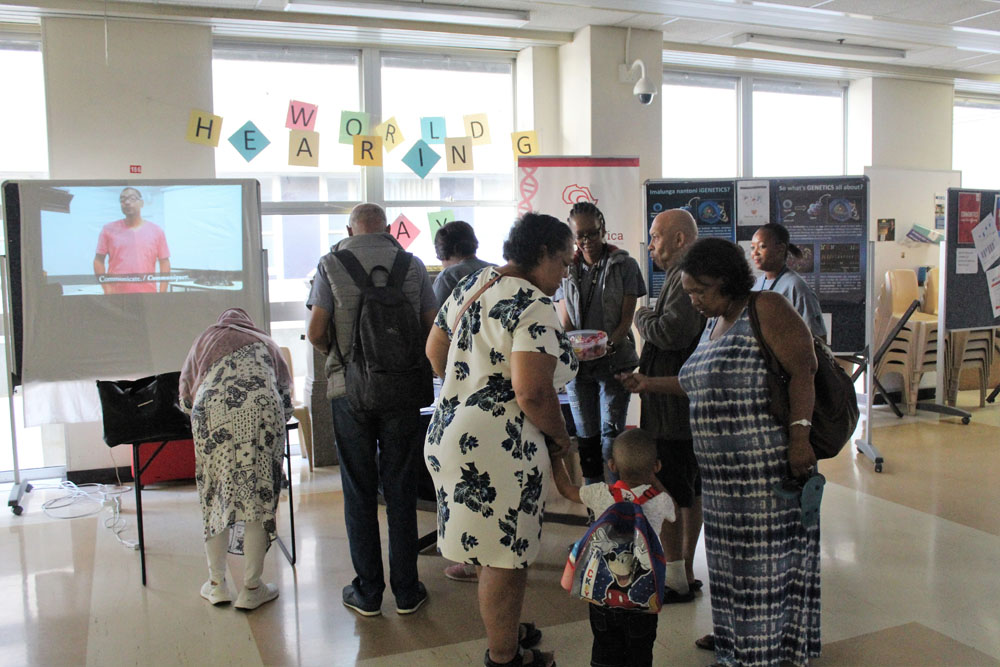
To raise awareness and educate regarding genetics and hearing impairment. World Hearing Day activities as part of WHO World Hearing Day events.
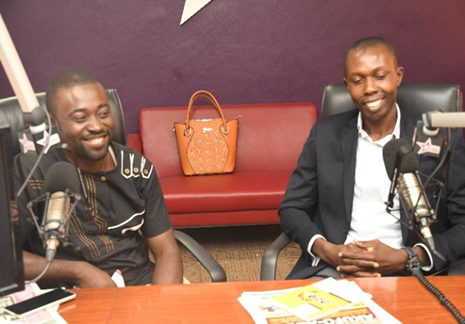
To raise awareness and educate regarding genetics and hearing impairment. World Hearing Day activities as part of WHO World Hearing Day events.
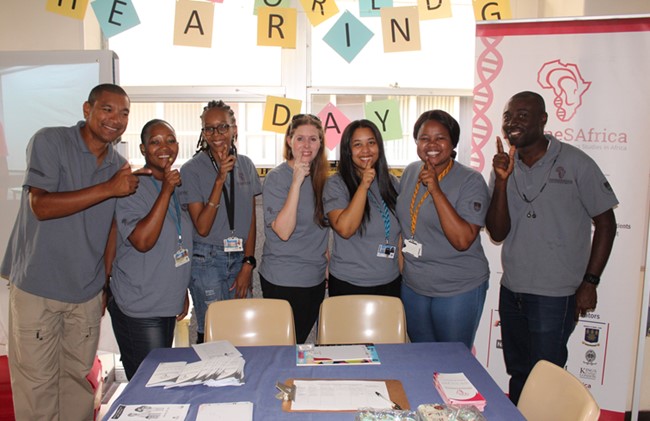
To raise awareness and educate regarding genetics and hearing impairment. World Hearing Day activities as part of WHO World Hearing Day events.

Capture the full scope of variation to improve health care, equity and medical research globally.
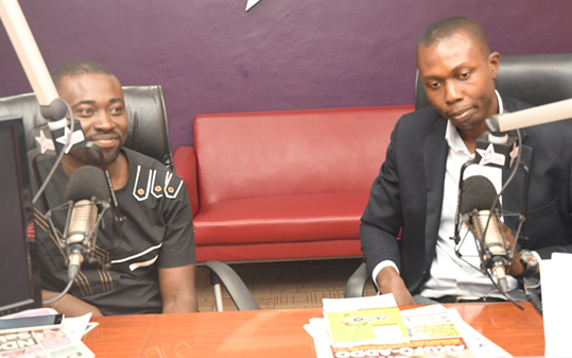
The focus is to create awareness about deafness during September (Deaf awareness month). Radio interview on Cape Talk.

Scientists at the University of Ghana have identified a gene linked to inherited deafness in the country.
Deaf awareness month 2019
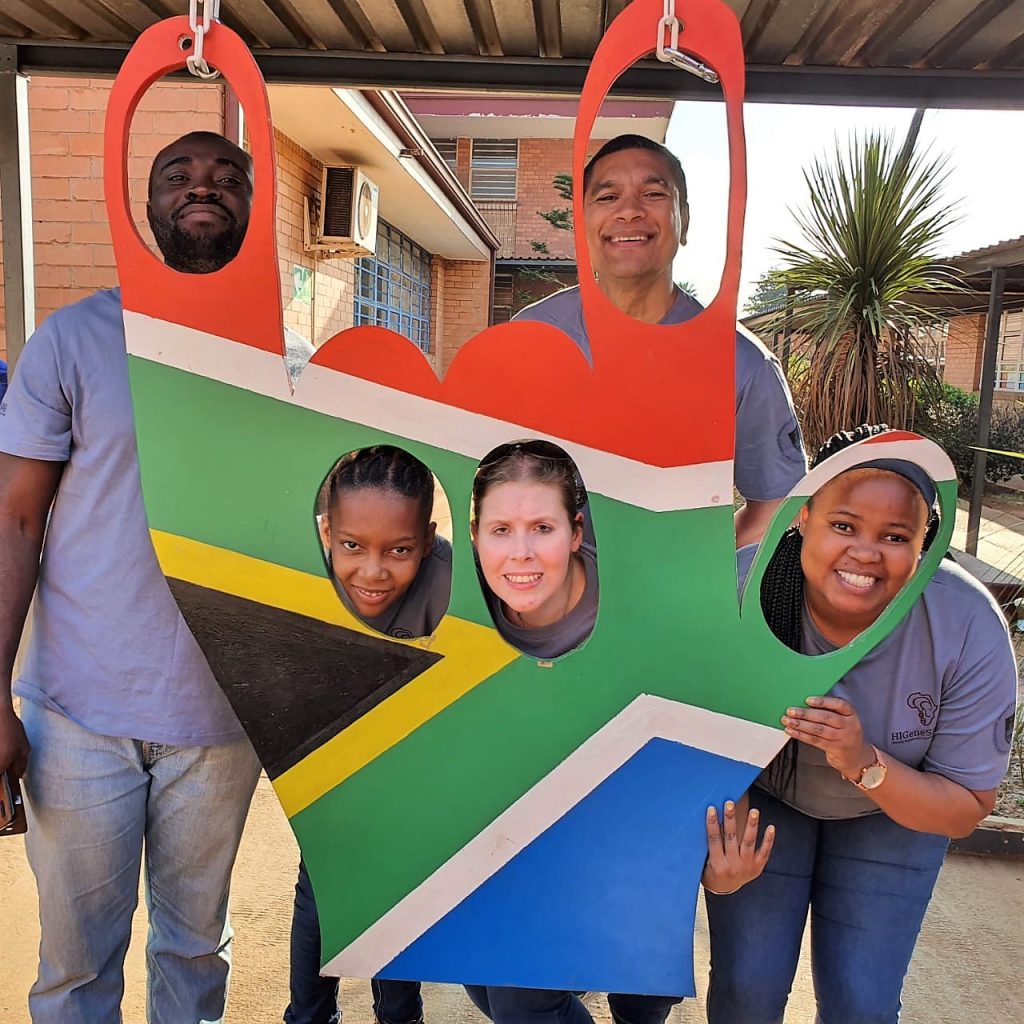
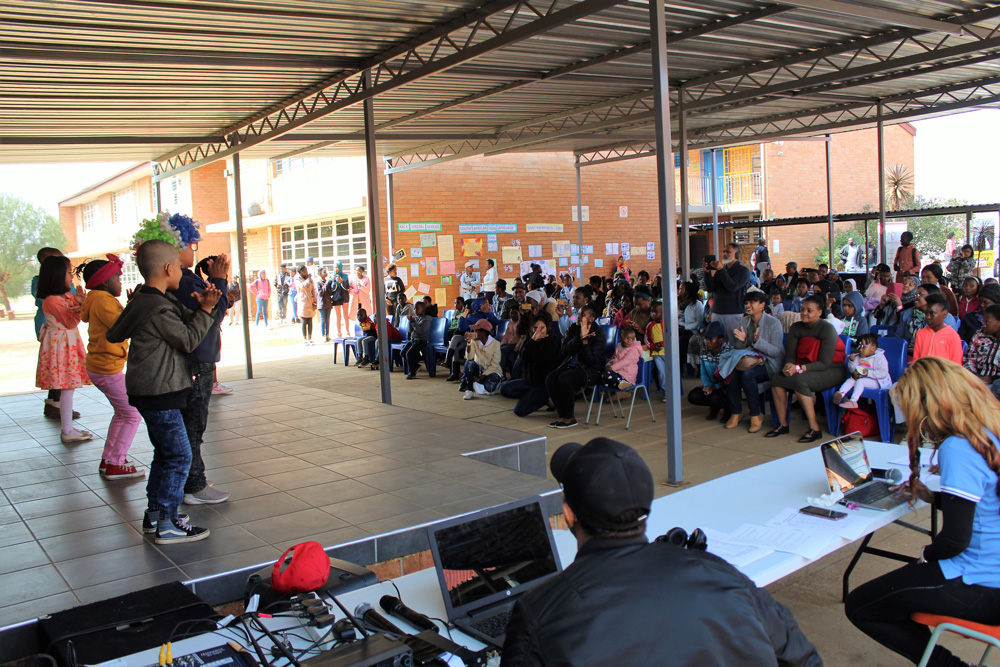
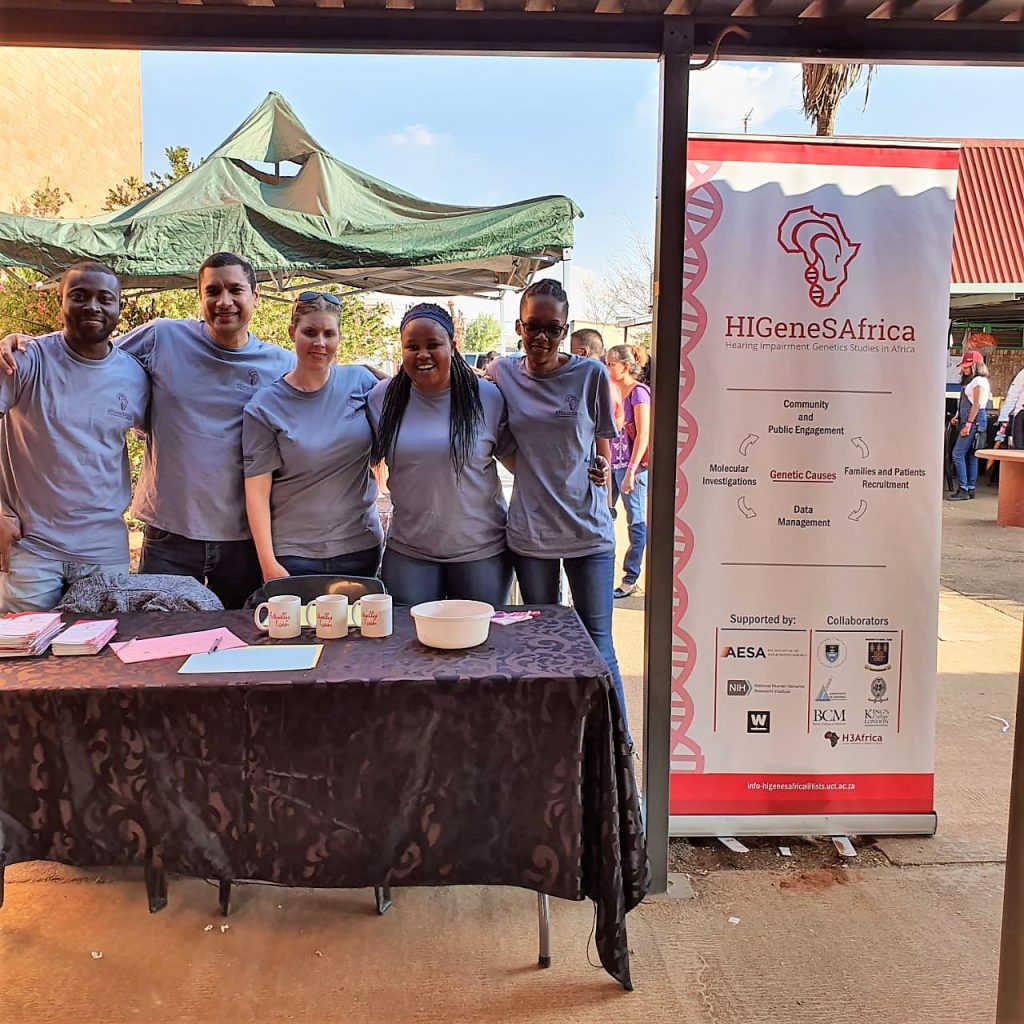
Ghana community engagement
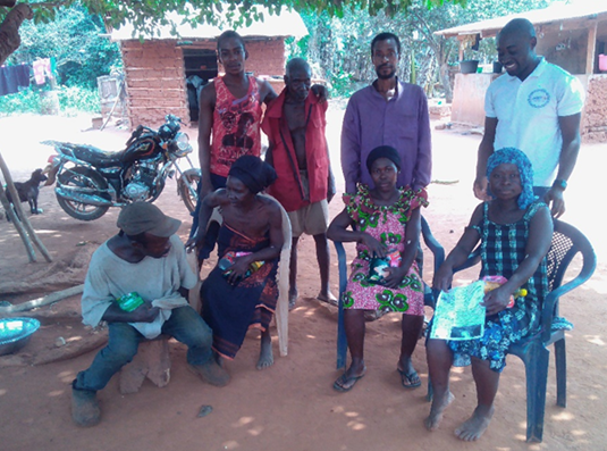
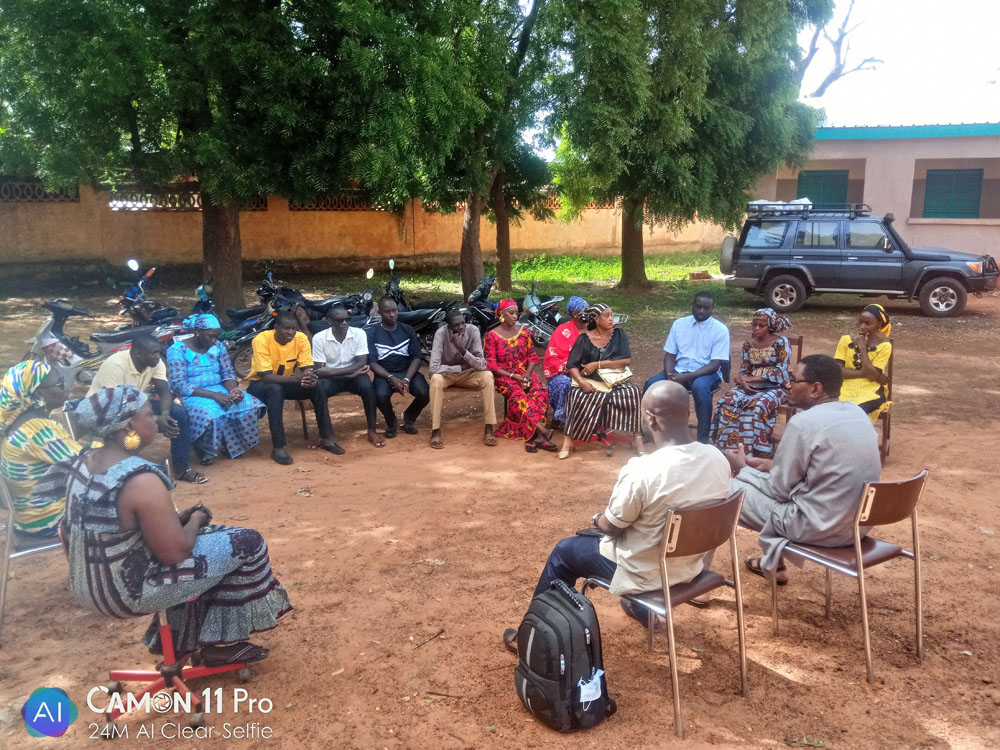
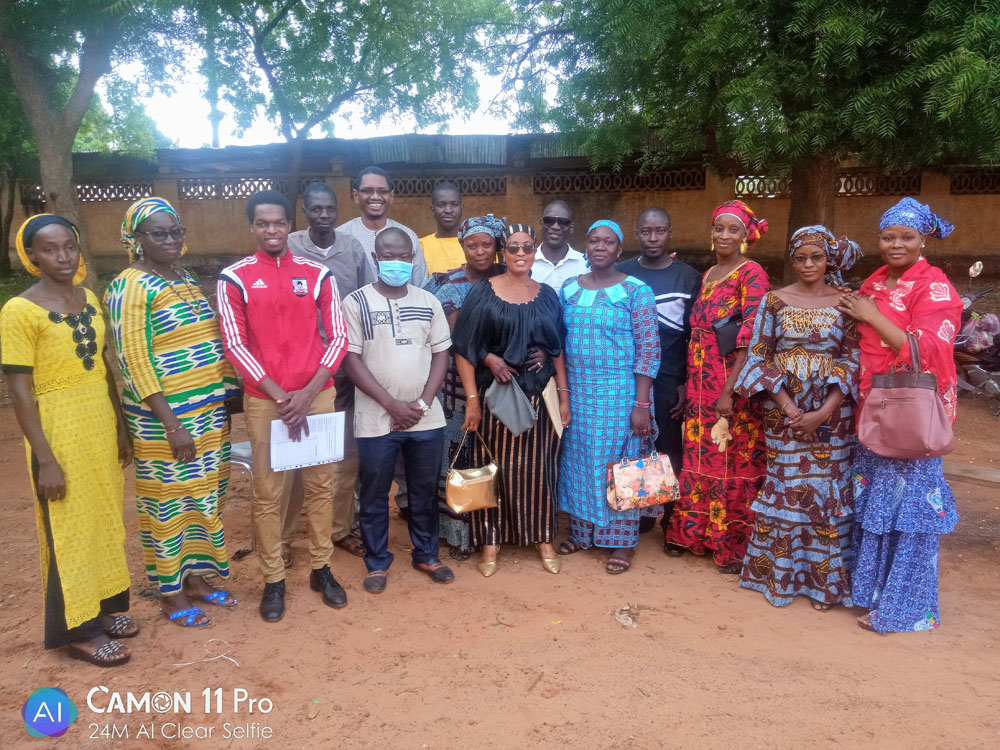
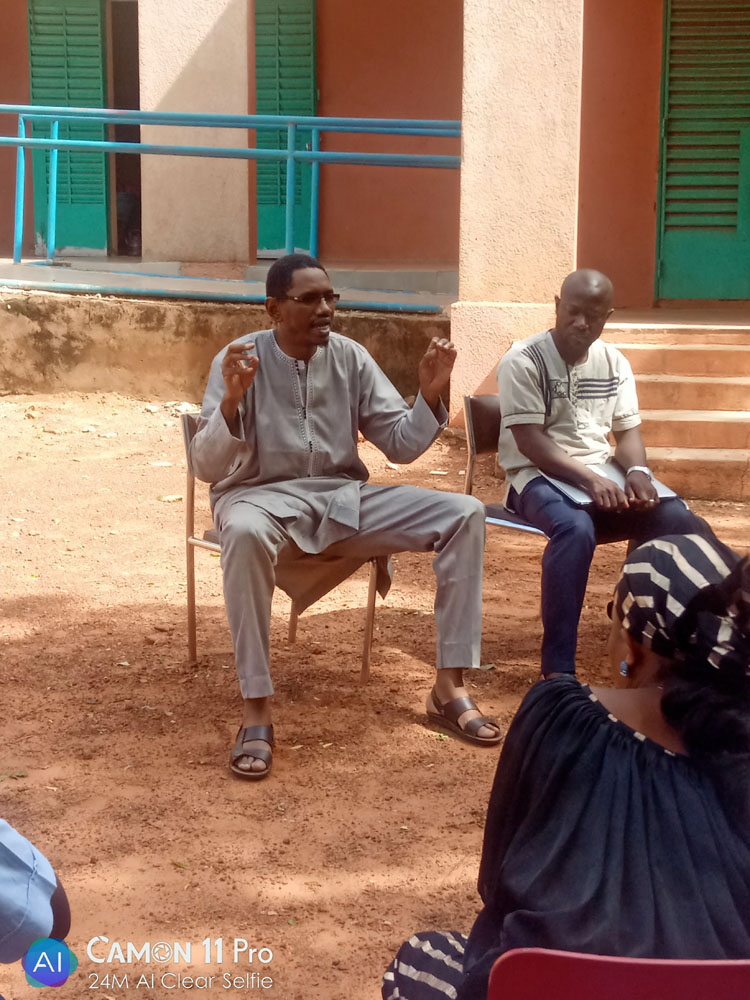
Mali community engagement
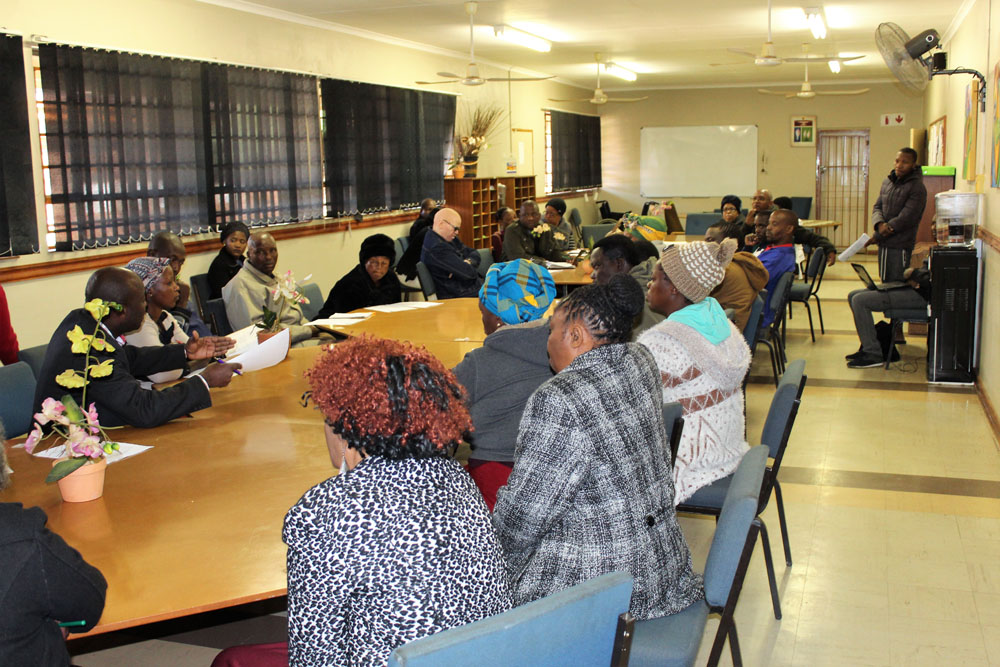
Recruitment Gauteng
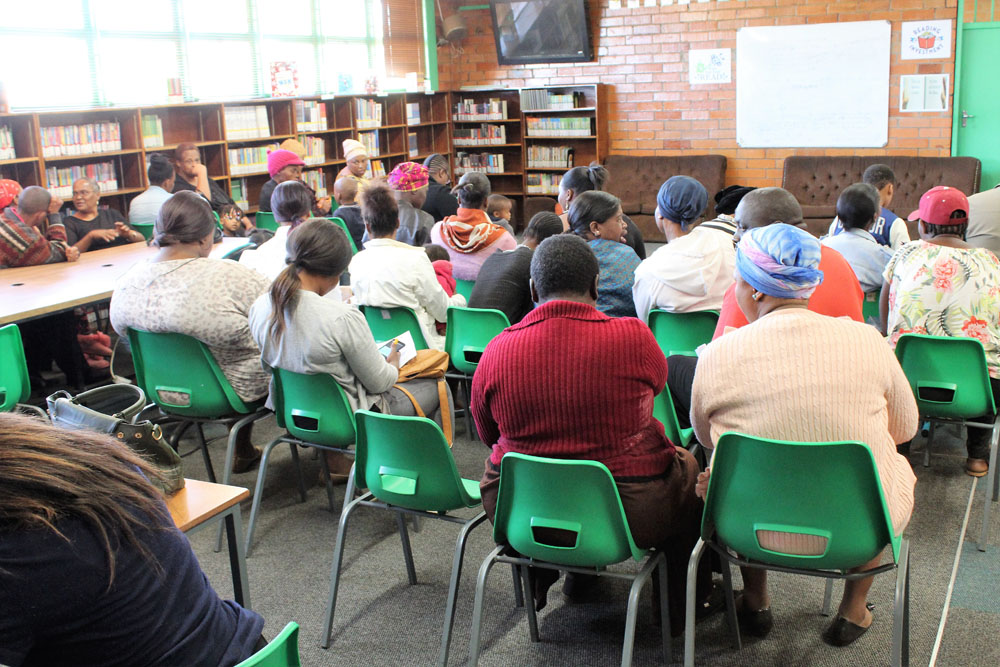
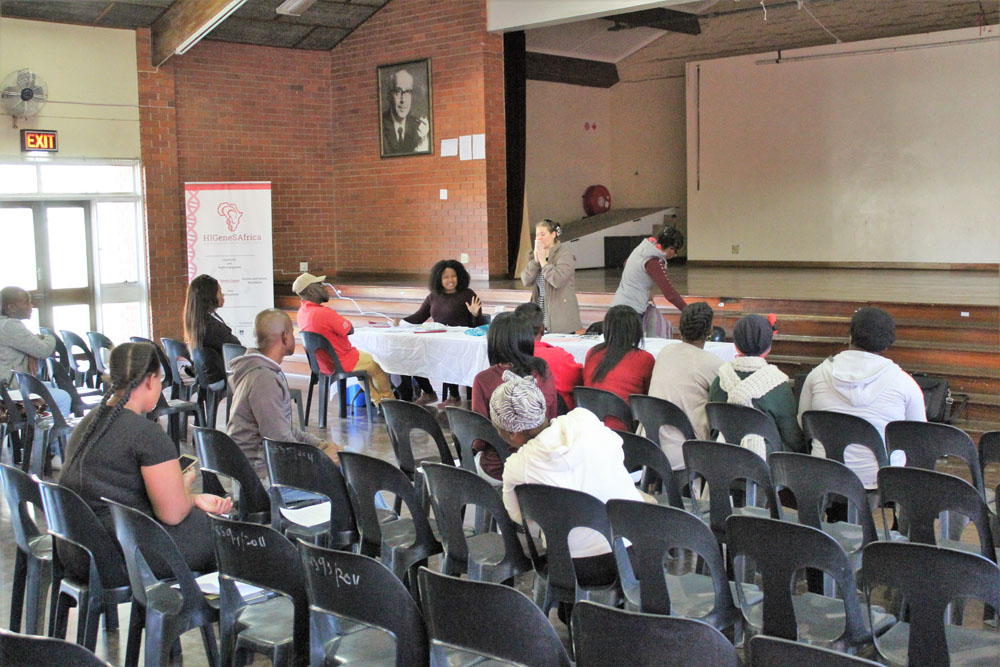
Recruitment KZN
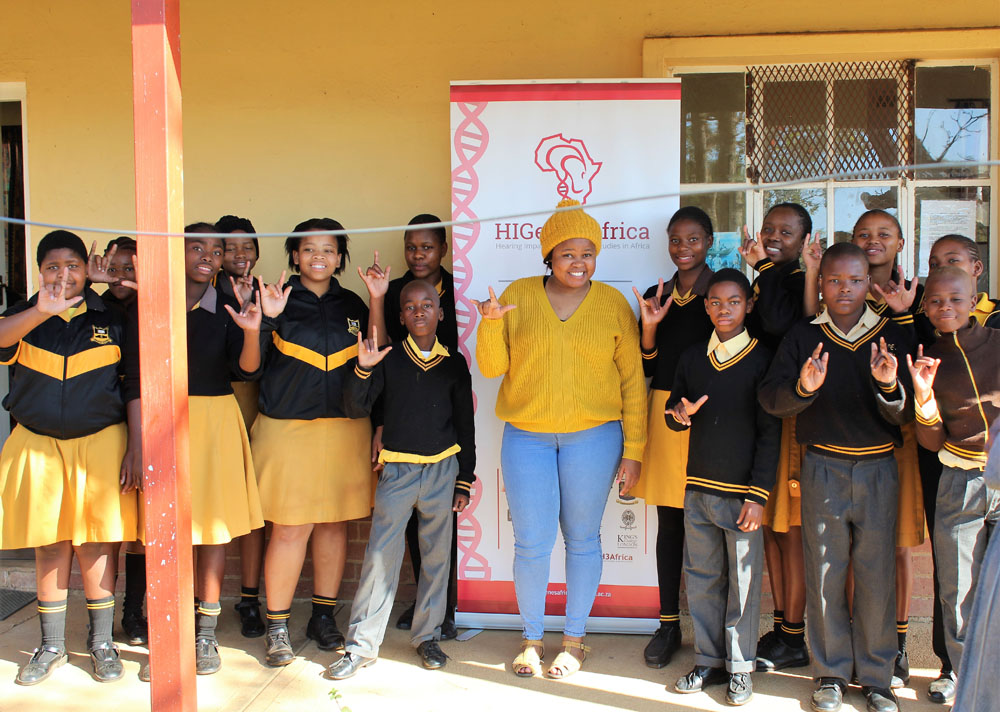
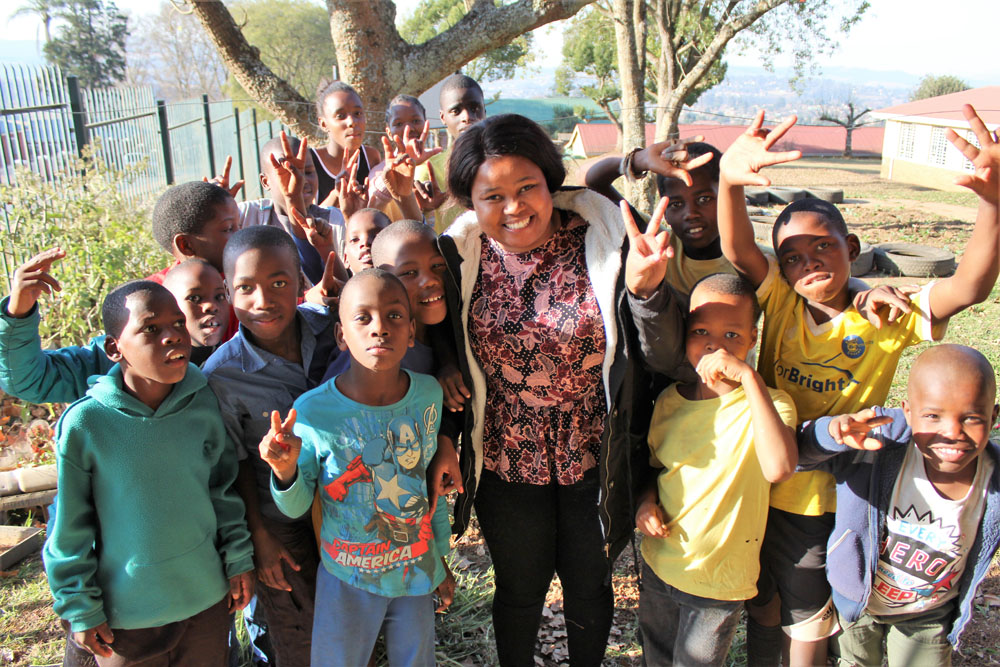
Recruitment Recruitment North West
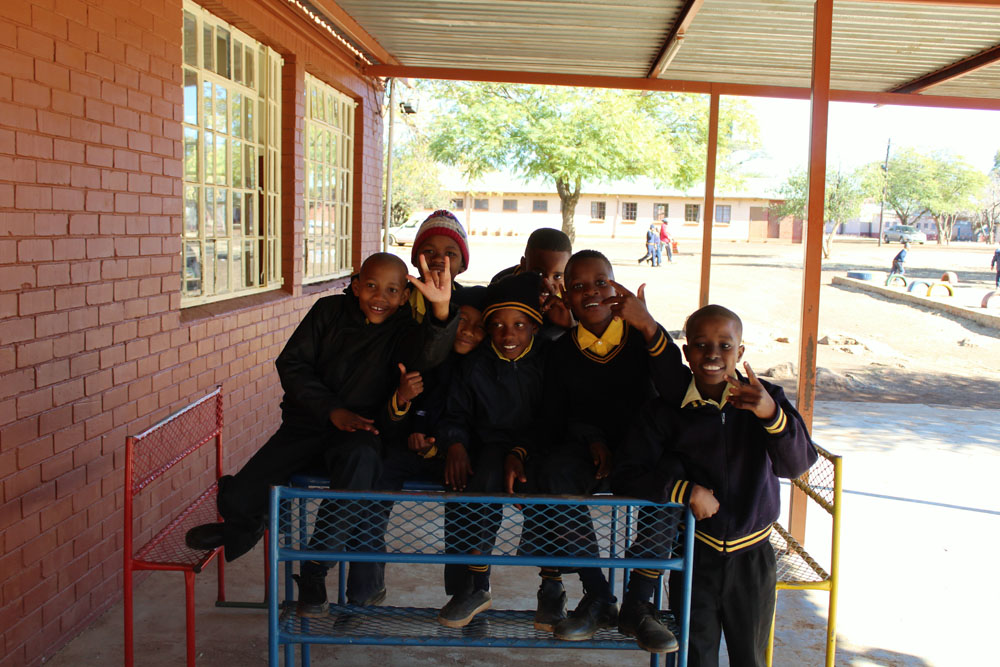
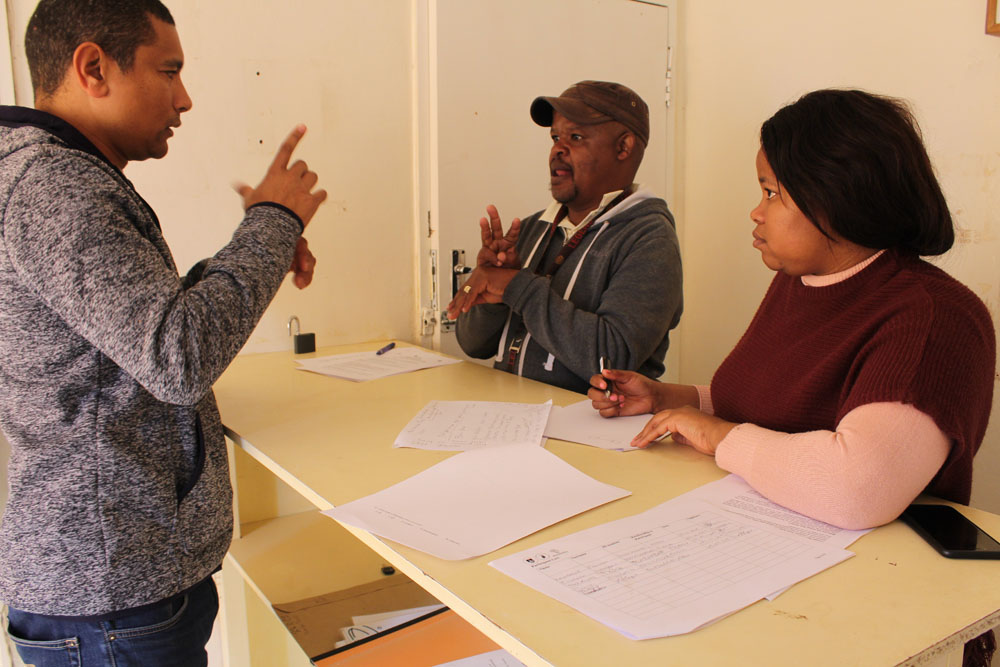
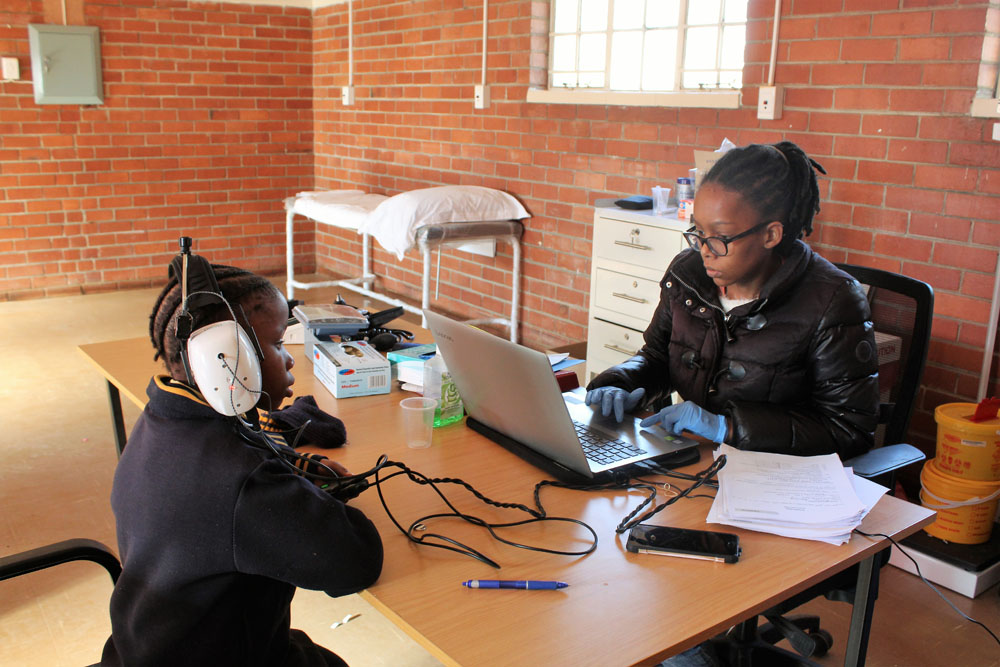
World hearing day 2020
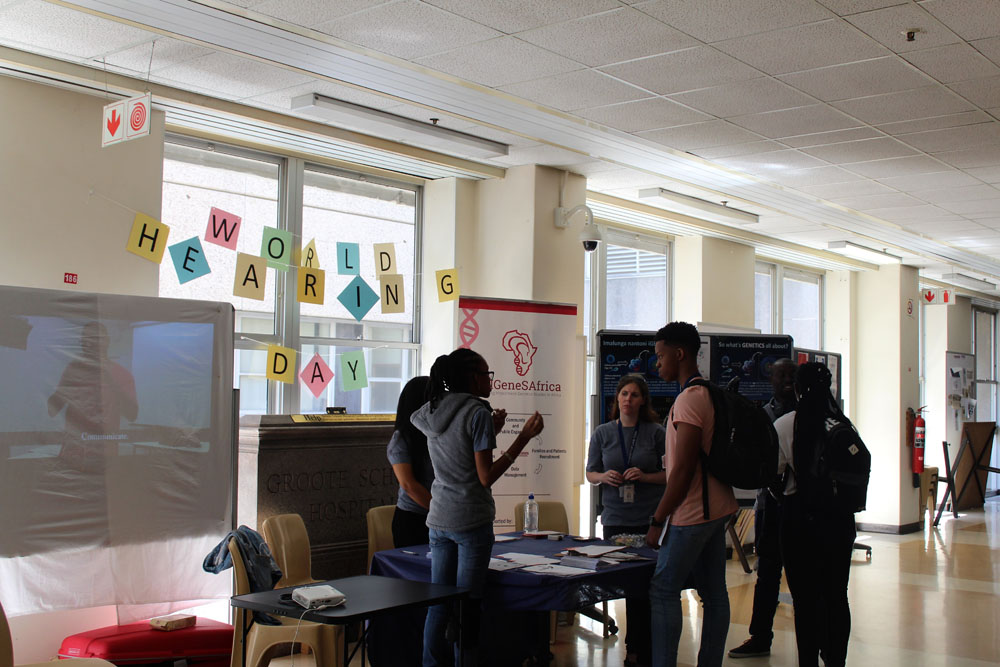
World hearing day 2021
Note of Appreciation
To the Schools for the Deaf, Deaf communities and their families for your individual and collective contributions to our research.