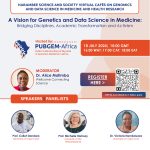
A Vision for Genetics and Data Science in Medicine: Bridging Disciplines, Academic Transformation and Activism
July 16, 2024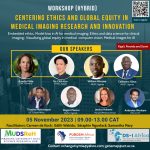
DS-I Africa Workshop (hybrid)
August 7, 2024Science & Society Debate Café with High School Learners, Cape Town, South Africa
27 August 2022 | 08:30-14:30 | New Learning Centre, Anatomy building, Faculty of Health Sciences, University of Cape Town, 1 Anzio Road, Observatory
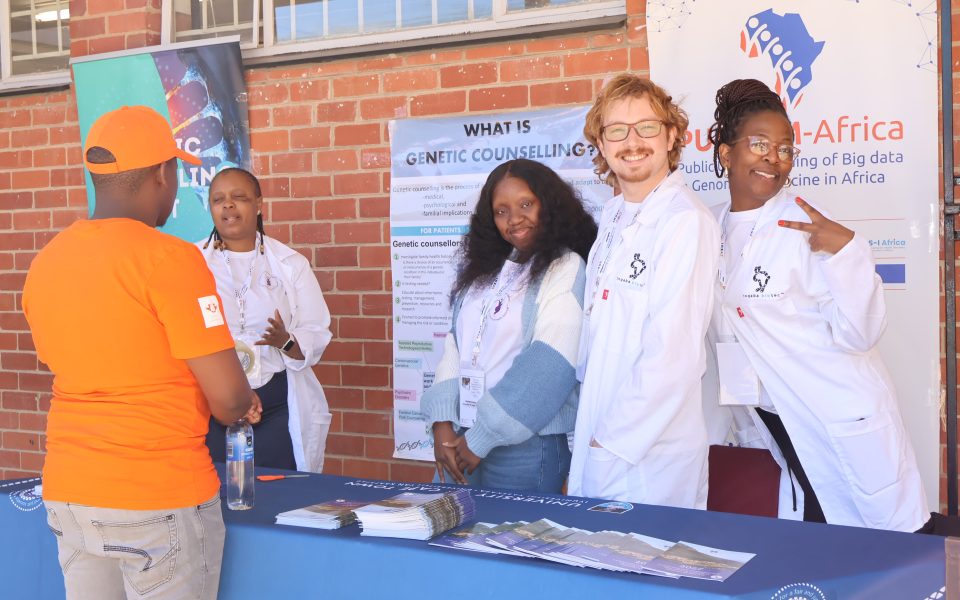
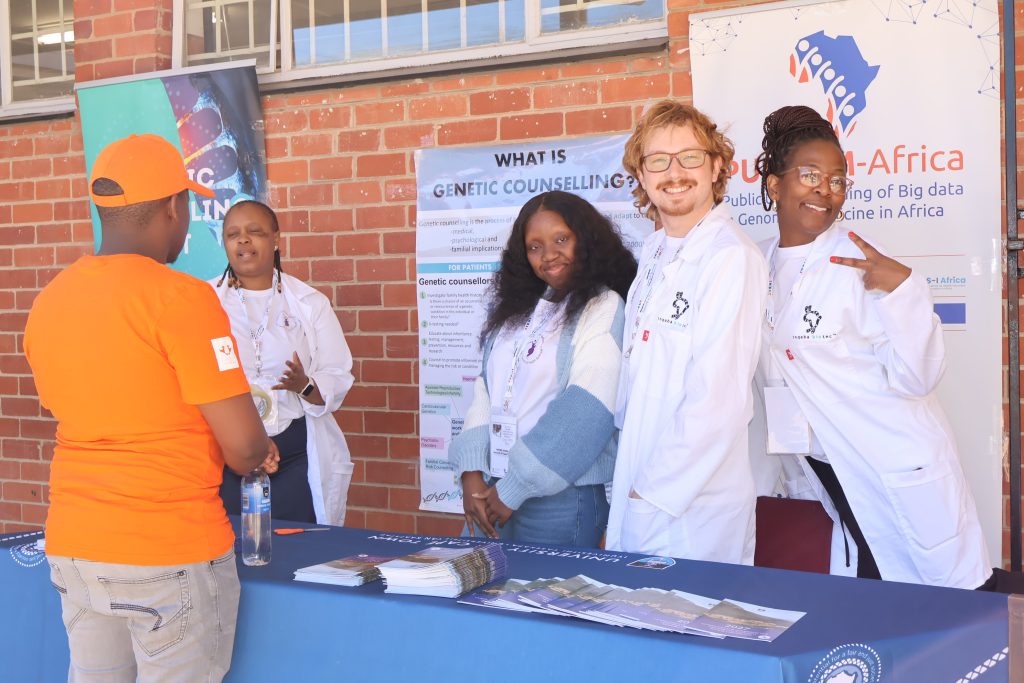
Public Understanding of Big data in Genomics Medicine in Africa (PUBGEM-Africa), in partnership with the mobile genomics in Africa project (mGenAfrica) and the Metro South District (MSED-WCED), will be engaging high school learners to foster literacy and interest in ethical, legal and social issues related to genomics and big data in medicine and healthcare on 27 August, 2022, at the University of Cape Town Faculty of Health Sciences (UCT FHS).
This event forms part of the PUBGEM-Africa’s Science cafés and is in alignment with the mGenAfrica public engagement objectives. The MSED will bring together about 80 learners and teachers from 18 schools in the district to participate at this year’s café.
Through these cafés, PUBGEM-Africa will gain insights into best approaches for engaging the public in conversations about the ethics and social implications of genomics, genetics medicine, medical data sharing and emerging biotechnologies; what degree of engagement is required; what the engagements should seek to achieve; and who should be involved.
This information will then be used to design models for public engagement and education in data science and genomic medicine. Genomics is fast becoming a vital component of medicine. However, the successful implementation of genomics in medicine will depend on people contributing enormous amounts of personal health data, including their genetic information, medical records, and socio-demographic information.. While genomics and the use of big data in healthcare offers new opportunities of clinical benefit. It also raises important ethical, legal, and social challenges due to its methodological novelty, unintended far-reaching impacts, and computational complexities.
In South Africa, teenagers and young adults will typically come across the term genetics and health data when they are in in high school. This is because genetics is part of the Life Sciences curriculum for high school students. PUBGEM-Africa seeks to use the open conversation model to engage high school learners on the medical benefits of genetics and what they perceive are the ethical, legal and social issues associated with genetics and the use of big data in medicine. These open conversations are organised in the form of science cafés and present high school learners with a platform for deliberative reflections on the impact of genetics on medicine and society; and the opportunity to appreciate that genetics is cross disciplinary, involving the Life Sciences, social sciences, and the arts. The café will include debates, quizzes, career talks, short opinion pieces, an expo from the undergraduate admissions office at the UCT FHS, and other fun and team building activities.
mGenAfrica (a collaboration between UCT and MSED-WCED) is an online and mobile application that promotes interaction between high school learners and research staff working in genomics and other health research fields across Africa.
PUBGEM-Africa aims explore to public understanding of big data in genomics medicine in Africa. It is a Data Science for Health Discovery and Innovation in Africa (DSI-Africa) project and is funded by the National Institute of Mental Health of the National Institutes of Health, USA. The PUBGEM-Africa project is based at the UCT Division of Human Genetics.
RSVP and enquiries
Victoria Nembaware: vnembaware@gmail.com
Carmen de Kock: carmen.dekock@uct.ac.za