Etiologies of Early-Onset Hearing Impairment in Rwanda
March 18, 2025
FLT1 and other candidate fetal haemoglobin modifying loci in sickle cell disease in African ancestries
May 15, 2025
Genomics and Health Data Governance in Africa: Democratize the Use of Big Data and Popularize Public Engagement
by: Nchangwi Syntia Munung, Charmaine D. Royal, Carmen de Kock, Gordon Awandare, Victoria Nembaware, Seraphin Nguefack, Marsha Treadwell, Ambroise WonkamAbstract
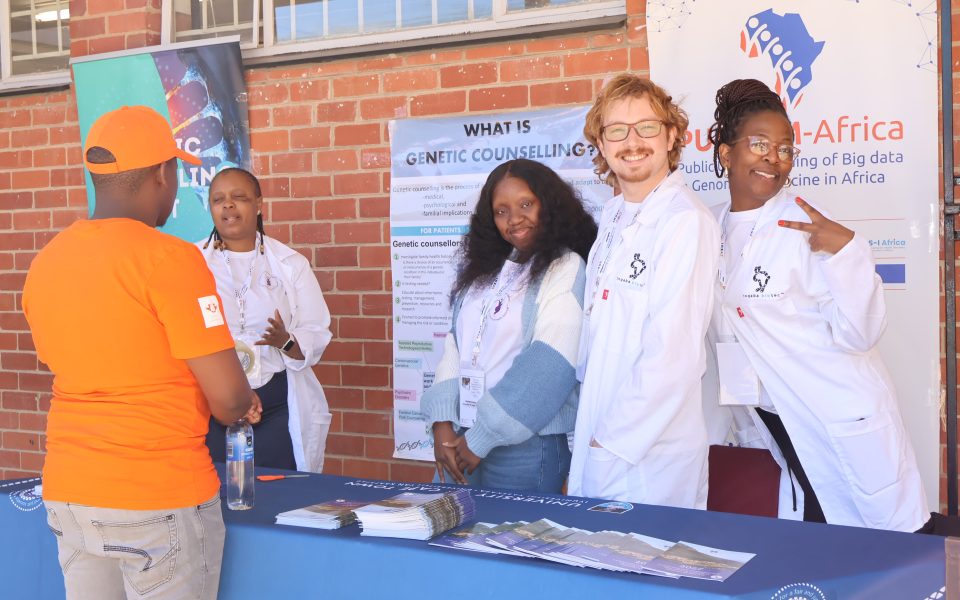
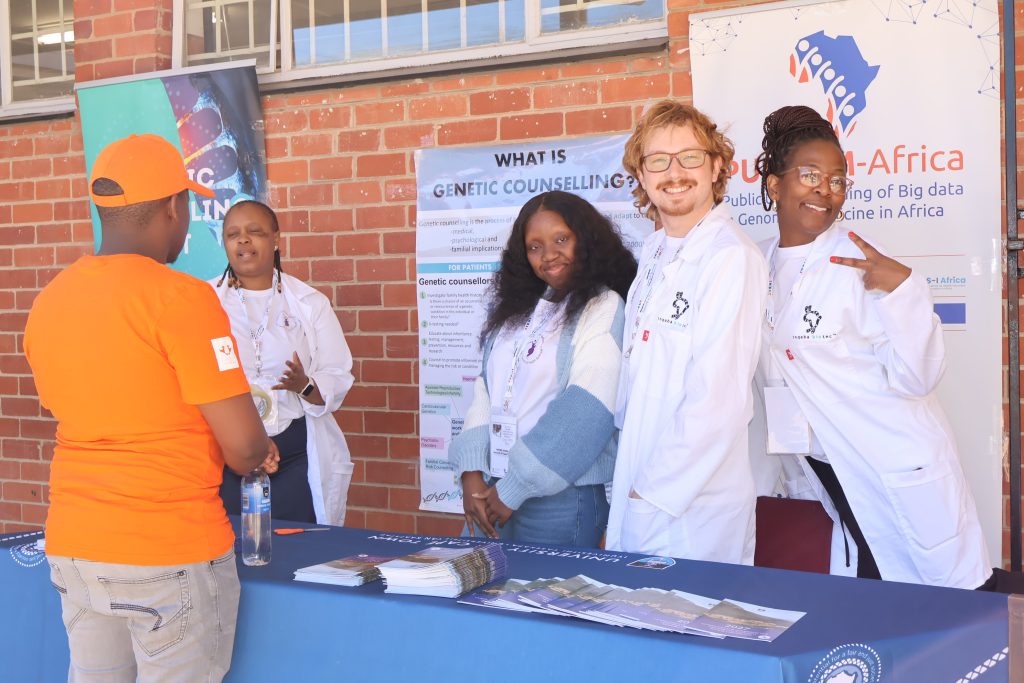
Effectively addressing ethical issues in precision medicine research in Africa requires a holistic social contract that integrates biomedical knowledge with local cultural values and Indigenous knowledge systems. Drawing on African epistemologies such as ubuntu and ujamaa and on our collective experiences in genomics and big data research for sickle cell disease, hearing impairment, and fragile X syndrome and the project Public Understanding of Big Data in Genomics Medicine in Africa, we envision a transformative shift in health research data governance in Africa that could help create a sense of shared responsibility between all stakeholders in genomics and data-driven health research in Africa. This shift includes proposing a social contract for genomics and data science in health research that is grounded in African communitarianism such as solidarity, shared decision-making, and reciprocity. We make several recommendations for a social contract for genomics and data science in health, including the coproduction of genomics knowledge with study communities, power sharing between stakeholders, public education on the ethical and social implications of genetics and data science, benefit sharing, giving voice to data subjects through dynamic consent, and democratizing data access to allow wide access by all research stakeholders. Achieving this would require adopting participatory approaches to genomics and data governance.